

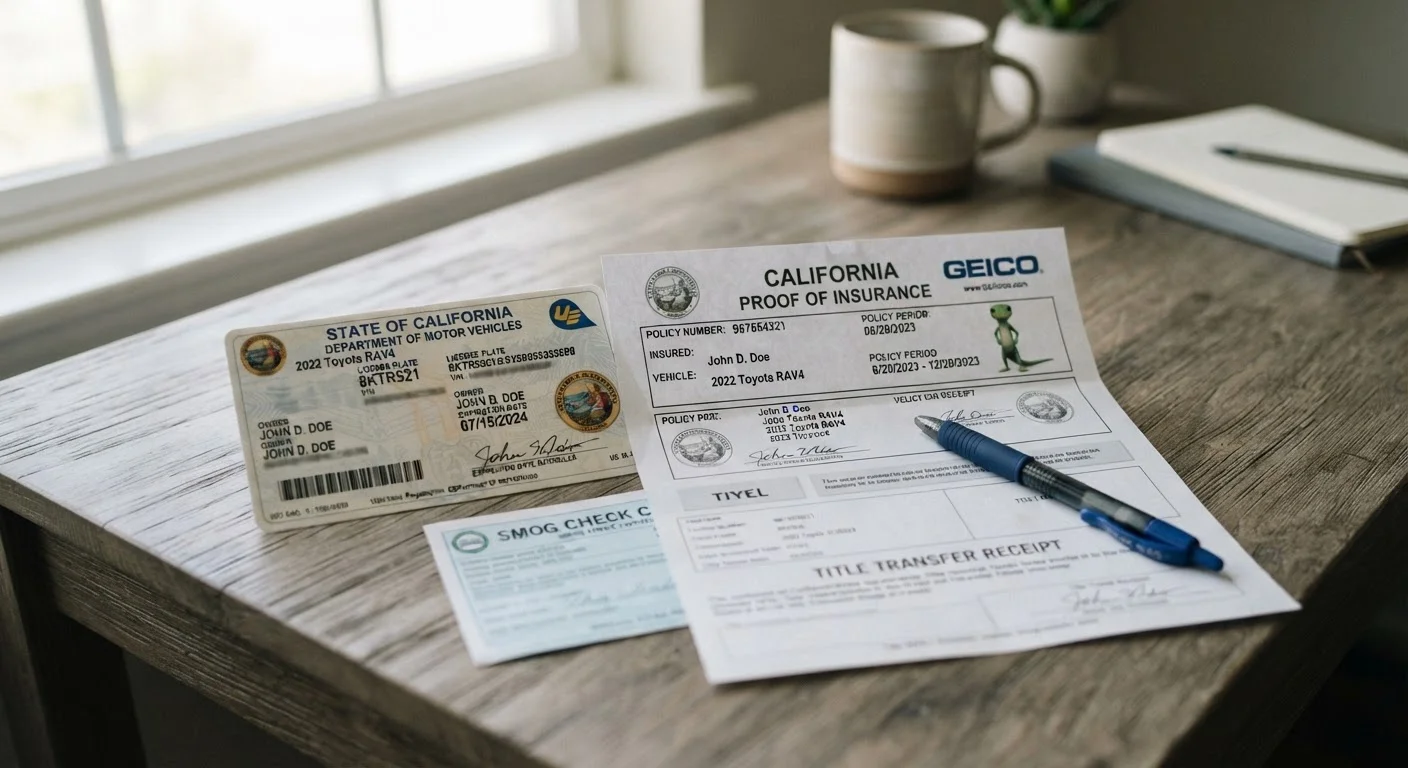
What Triggers an SR-22 or FR-44 Requirement
States use SR-22 and FR-44 filings to keep tabs on high-risk drivers. A court or your state's Department of Motor Vehicles (DMV) will notify you if you're required to file one. Common triggers include:
- DUI or DWI conviction — the most frequent reason
- Driving without insurance or being caught with a lapsed policy
- License suspension or revocation for accumulated violations
- At-fault accidents while uninsured
- Reckless driving convictions
If you live in Florida or Virginia, your state uses the FR-44 form instead of SR-22 for alcohol-related offenses. The FR-44 requires you to carry higher liability limits than the standard state minimum — for example, Florida mandates $100,000 per-person bodily injury coverage under an FR-44, compared to the standard $10,000 minimum. If you're unsure what your liability coverage actually covers, understanding the basics of auto coverage types is a useful starting point.
How the Filing Process Works
Once you're ordered to obtain an SR-22 or FR-44, the process is straightforward — but you do need to act promptly.
- Contact your current insurer. Many standard insurers will file the certificate for you, though some may drop your policy after a serious violation. If that happens, you'll need to find a new carrier.
- Pay the filing fee. Insurers typically charge a one-time administrative fee, often between $15 and $50, to file the form with the state.
- Maintain continuous coverage. This is the critical part. You must keep your policy active without any gaps for the entire required period — usually two to three years depending on your state and violation.
Don't Cancel Your Policy Early
If you cancel or let your coverage lapse before your SR-22 period is complete, your insurer must notify the state — which typically triggers an automatic license suspension. Even a brief gap can restart your entire filing requirement. Set up automatic payments or calendar reminders to make sure your policy stays active.
Once the required period ends, you can ask your insurer to remove the SR-22 filing. It won't happen automatically in most states. Contact your DMV to confirm your obligation is complete before making any changes to your policy.
What SR-22 Means for Your Insurance Costs
The filing fee is the small part of the equation. The real financial impact comes from what a serious violation does to your underlying insurance premiums. Insurers view drivers with DUI convictions, license suspensions, or uninsured-driving records as significantly higher risk, and rates adjust accordingly.
2–3 years
Typical SR-22 filing requirement period
Most states require continuous SR-22 filing for two to three years after a qualifying violation, though exact durations vary by state and offense.
$15–$50
Typical one-time SR-22 filing fee
The administrative fee charged by insurers to file the SR-22 form with the state is generally modest; premium increases are the larger cost driver.
Rate increases vary widely by state, violation type, insurer, and your prior driving history. Some drivers see modest increases; others face premiums two or three times what they paid before. Shopping around for coverage is reasonable, but be upfront with any insurer about your SR-22 or FR-44 requirement — withholding that information can void your policy.
If you're managing costs during this period, focus on maintaining a clean driving record going forward. Each additional violation compounds the problem and can extend your filing requirement or further raise your rates.
This article is for general informational purposes only and does not constitute legal, financial, or insurance advice. Coverage requirements, filing rules, and costs vary by state and individual circumstance. Consult a licensed insurance agent and your state's DMV for guidance specific to your situation.
Frequently Asked Questions
No. An SR-22 is simply a certificate attached to your existing policy. You still need a full auto insurance policy that meets your state's minimum liability requirements. Your insurer files the SR-22 form with the state to confirm you have that coverage.
Most states require SR-22 filing for two to three years, though the exact period depends on the violation and your state's laws. Your DMV notice or court order should specify the required duration. Any lapse during that window can restart the clock.
Your insurer is legally required to notify the state when your policy cancels or lapses. The state will typically suspend your license again, and you may need to restart your SR-22 requirement period from the beginning.
FR-44 is not harder to obtain, but it requires higher liability limits — meaning your underlying policy must carry more coverage than a typical SR-22. Florida and Virginia are the only states that use FR-44 filings.
Yes. A non-owner SR-22 policy covers drivers who don't have a vehicle registered in their name. It provides liability protection when you drive someone else's car and satisfies the state's filing requirement.
The filing fee itself is usually between $15 and $50 as a one-time charge. The bigger financial impact comes from the increased premiums on your underlying insurance policy, which can be substantially higher after a serious violation.
The content on this site is for informational purposes only and is not a substitute for professional advice. Always consult a qualified professional for guidance specific to your situation.