

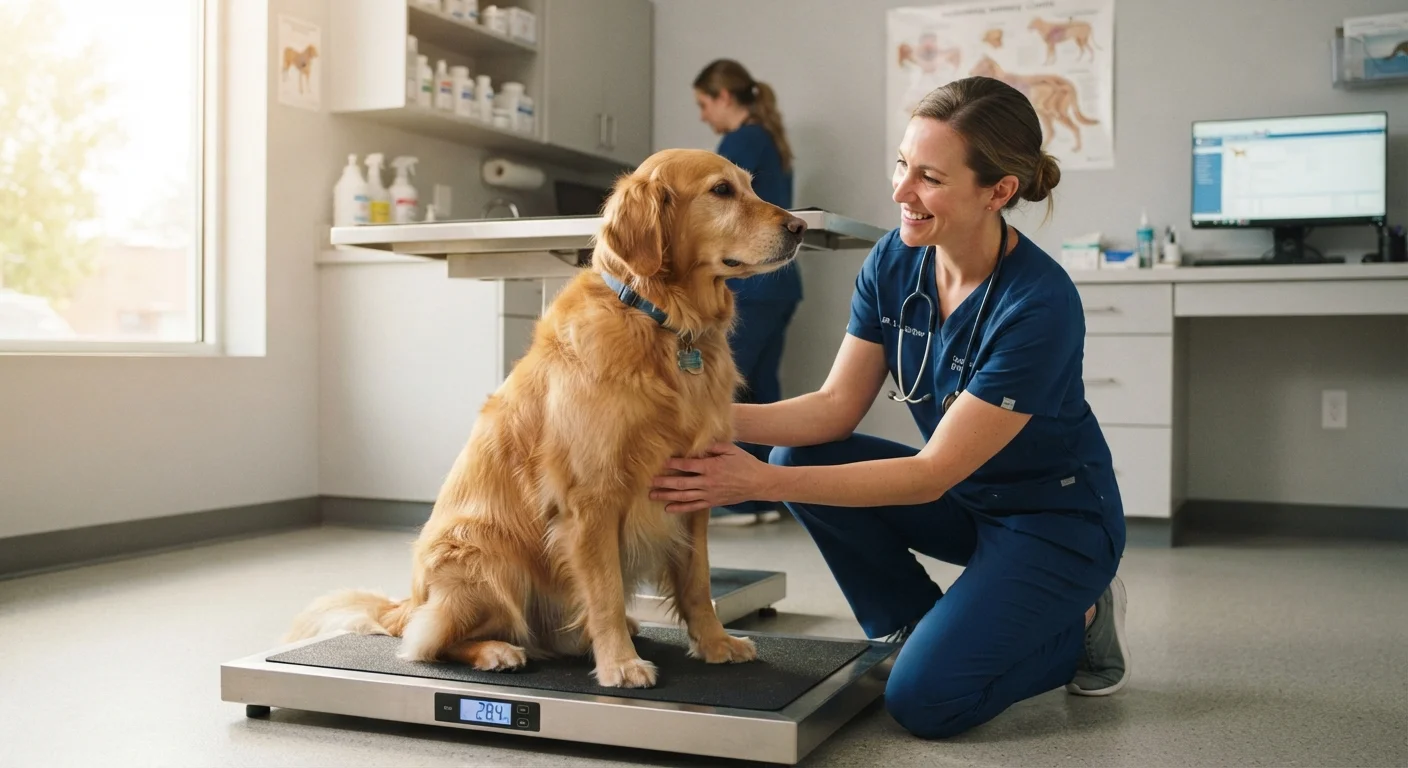
Why Excess Weight Is a Medical Issue, Not Just an Appearance One
Many pet owners see a chubby cat or a round-bellied dog as endearing rather than alarming. But veterinary research consistently links excess body fat to a shorter lifespan and a lower quality of life. Obesity isn't a cosmetic concern — it's a chronic condition that strains nearly every system in an animal's body.
Part of the challenge is that weight gain in pets tends to be gradual and easy to normalize. A pound or two over the course of a year can go unnoticed until the extra weight is already compounding health problems. According to surveys by veterinary associations, a significant proportion of companion dogs and cats in the U.S. are classified as overweight or obese — making it one of the most prevalent preventable conditions vets encounter.
If you've noticed changes in your pet's energy or movement, it's worth exploring whether weight is a contributing factor. Our guide to subtle behavioral changes that can signal a health problem outlines what to watch for.
59%
U.S. dogs classified as overweight or obese
According to the Association for Pet Obesity Prevention's annual surveys, more than half of American dogs fall into the overweight or obese category.
61%
U.S. cats classified as overweight or obese
The same surveys indicate cats have even higher rates of excess weight than dogs, with indoor and neutered cats at particular risk.
2+ years
Potential lifespan reduction from obesity
Veterinary research suggests that obese pets may live two or more years less than pets maintained at a healthy weight.
The Real Health Costs: What Obesity Does Inside the Body
Excess fat is metabolically active tissue — it produces inflammatory compounds that affect the joints, heart, and immune system. Here's what veterinary science tells us about the specific damage obesity causes:
- Joint disease: Extra weight accelerates cartilage breakdown, worsening or triggering osteoarthritis. Pets may become reluctant to climb stairs, jump, or play — often misread as aging rather than pain.
- Diabetes: In cats especially, obesity dramatically increases the risk of type 2 diabetes. Fat tissue reduces insulin sensitivity, forcing the pancreas to work harder until it can no longer keep up.
- Respiratory strain: Fat deposits around the chest restrict lung expansion. Brachycephalic (flat-faced) breeds like Bulldogs and Persians face compounded breathing difficulty at higher weights.
- Heart and circulatory stress: The heart must work harder to supply a larger body, raising blood pressure and increasing cardiovascular risk over time.
- Reduced immune function: Chronic low-grade inflammation associated with obesity can blunt the immune response, making pets more susceptible to infections.
Weight also affects how well pets tolerate anesthesia and surgery, which matters when they need other veterinary procedures. Even modest reductions in body weight — studies suggest as little as 6–8% — have been shown to improve mobility and reduce pain in arthritic dogs.
How Vets Assess Your Pet's Weight
A number on a scale tells only part of the story. Veterinarians typically rely on the Body Condition Score (BCS) — a 9-point scale that evaluates fat coverage over the ribs, spine, and hips, along with the visibility of a waist and abdominal tuck when viewed from above and the side.
A score of 4–5 is considered ideal. Scores of 6–7 indicate overweight; 8–9 indicate obesity. At home, a rough self-check involves gently pressing along your pet's ribcage: you should be able to feel each rib without significant pressure, and see a clear waist from above. If ribs are buried and the belly hangs visibly, that's a signal to schedule a vet visit.
Because ideal weight varies substantially by breed, age, and sex, it's worth discussing a specific target with your vet rather than relying on generalized charts. Nutrition plays a central role too — our Pet Nutrition Guide covers the fundamentals of balanced feeding for common household pets.
Ask Your Vet to Score Your Pet's BCS
At your next appointment, ask your vet to record your pet's Body Condition Score and explain what it means. Having a clear, documented baseline makes it easier to track changes over time and catch weight creep before it becomes a serious problem. Many clinics will do brief weight checks between annual visits at no charge.
Practical Steps Toward a Healthier Weight
Weight management in pets requires changes to both what they eat and how they move — but the pace matters. Rapid caloric restriction, especially in cats, can cause serious harm. Any meaningful dietary change should be discussed with your vet first.
Feeding Adjustments
Measure portions using a standard measuring cup or a kitchen scale rather than estimating. Many pet owners unknowingly overfeed by 20–30% simply by eyeballing amounts. Treats count toward daily calorie intake — if treats are a regular part of your pet's routine, factor them in and reduce meal portions accordingly.
If your pet is being transitioned to a lower-calorie food, do so gradually over 7–10 days by mixing old and new food. Sudden changes can cause digestive upset. Watch for signs that the diet may be leaving nutritional gaps — our article on signs your pet's diet might be missing something important can help you identify red flags.
Increasing Activity
Exercise should be introduced gradually, especially for older pets or those with joint pain. Short, frequent sessions are often better tolerated than long infrequent ones. For dogs, regular leashed walks are a starting point. For cats, interactive play with wands or toys can meaningfully increase daily movement.
Tracking progress through monthly weigh-ins with your vet allows the plan to be adjusted before problems compound. Consistent routines — both in feeding and activity — make sustainable progress more achievable. The Daily Pet Care hub offers practical guidance for building those habits into everyday life.
This article is for general informational purposes only and does not constitute veterinary advice. Always consult a licensed veterinarian before making changes to your pet's diet, exercise routine, or health management plan.
Frequently Asked Questions
Your vet can assess your pet using a Body Condition Score, but at home you can feel along your pet's ribcage — you should be able to feel individual ribs without pressing hard, and see a visible waist when viewed from above. If ribs are buried under a thick fat layer or the belly sags visibly, that's a signal to consult your vet.
Obesity is associated with osteoarthritis, type 2 diabetes, respiratory problems, high blood pressure, certain cancers, and reduced immune function. It also places extra strain on the heart and liver, and can shorten a pet's lifespan by two or more years.
It's strongly advisable to involve your vet before making significant dietary changes. Cats, in particular, can develop a dangerous liver condition called hepatic lipidosis if they lose weight too quickly. A vet can set a safe target weight and calorie range appropriate for your individual animal.
Yes. Labrador Retrievers, Beagles, Cocker Spaniels, and Pugs are among dog breeds with higher obesity risk. In cats, neutered males and indoor-only cats tend to have higher rates. Breed predisposition doesn't make obesity inevitable, but it does mean owners should be especially vigilant.
Spaying and neutering can lower a pet's metabolic rate, which increases the risk of weight gain if food intake isn't adjusted. This doesn't mean the procedure causes obesity — it means caloric needs may decrease afterward, and portions should be reviewed with your vet.
Safe weight loss in pets is gradual — typically 1–2% of body weight per week for dogs, and slightly slower for cats. Timelines vary depending on how much weight needs to be lost and how the individual animal responds. Your vet can monitor progress and adjust the plan.
The content on this site is for informational purposes only and is not a substitute for professional advice. Always consult a qualified professional for guidance specific to your situation.