

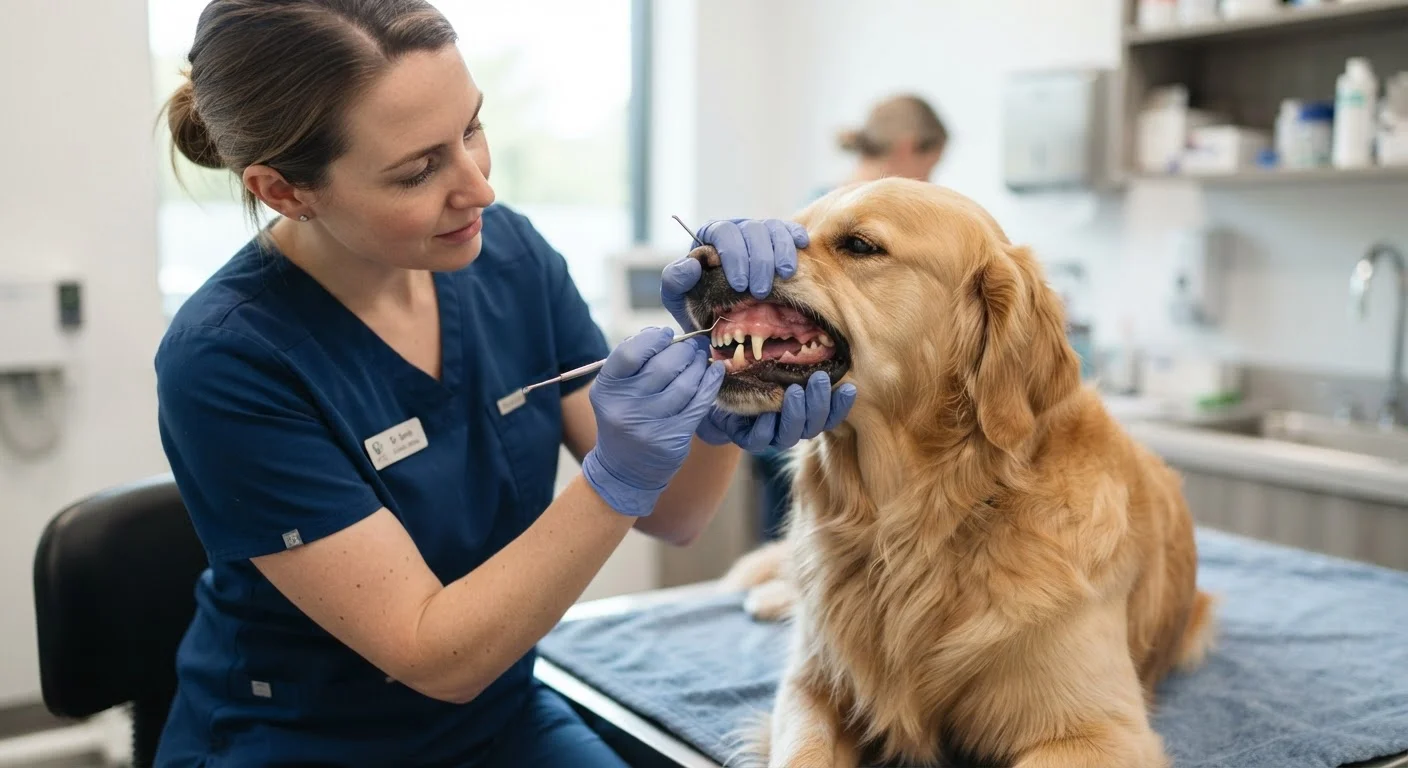
Why Dental Health Gets Ignored — and Why That's a Problem
When pet owners think about keeping their animals healthy, they typically focus on nutrition, exercise, vaccinations, and flea prevention. Dental care rarely makes the list. Unlike a limping leg or a visible wound, dental disease hides in plain sight — and animals are extraordinarily good at masking pain.
The result is that the majority of dogs and cats over age three already have some form of periodontal disease, yet most owners have never brushed their pet's teeth or asked a vet about oral health. It's not negligence — it's a knowledge gap. Dental care simply hasn't been a visible part of mainstream pet care culture the way it is in human medicine.
That gap has real consequences. Untreated dental disease doesn't just cause discomfort. It can alter how a pet eats, affect behavior, and eventually threaten organ function. Understanding what's actually happening inside your pet's mouth is the first step toward changing that. For a broader view of how dental care fits into overall animal wellness, see building a preventive care routine.
What Periodontal Disease Actually Does to Your Pet's Body
Periodontal disease follows a predictable progression. It starts with plaque — a thin biofilm of bacteria that forms on tooth surfaces daily. If plaque isn't removed through brushing, it mineralizes into tartar (also called calculus) within days. Tartar irritates the gum tissue, causing gingivitis: redness, swelling, and the beginning of an immune response.
Left unaddressed, gingivitis progresses to periodontitis, where the infection attacks the connective tissue and bone that anchor the teeth. Teeth loosen. Bone resorbs. Pockets form between the gum and tooth root — warm, dark spaces where bacteria thrive. At this stage, the damage is often irreversible without professional intervention.
80%+
Dogs affected by periodontal disease by age 3
Veterinary dental specialists widely cite this figure based on clinical findings across companion animal populations.
70%+
Cats with some form of dental disease by age 3
Studies in veterinary literature consistently show periodontal disease as one of the most common diagnoses in feline patients.
#1
Most diagnosed condition in small animal practice
Periodontal disease is routinely cited by veterinary organizations as the single most common health issue seen in dogs and cats.
Beyond the mouth, the concern is systemic. Bacteria from infected gum tissue can enter the bloodstream through inflamed blood vessels and travel to distant organs. Veterinary research has documented associations between advanced periodontal disease and changes in heart, kidney, and liver function in pets. While cause-and-effect relationships are still being studied, most veterinarians treat dental health as a whole-body issue — not just a cosmetic one.
Signs That Something May Be Wrong
The challenge with pet dental disease is that animals instinctively suppress signs of pain — an evolutionary holdover from when showing weakness meant vulnerability. A dog or cat with severely diseased teeth may still eat, still play, and still act relatively normal. That doesn't mean they aren't suffering.
Some observable signs that warrant a veterinary conversation include:
- Persistent bad breath — often the first and most noticeable sign
- Yellow or brown deposits on the teeth near the gumline
- Red, swollen, or bleeding gums
- Dropping food while chewing or avoiding hard food and toys
- Pawing at the mouth or facial rubbing
- Increased drooling or blood-tinged saliva
- Changes in mood or activity level — sometimes the only visible clue
These signs don't guarantee dental disease is the cause, but they're reason enough to schedule a veterinary exam. For context on how oral health connects to broader nutritional and physical wellbeing, signs your pet's diet might be missing something is worth reviewing alongside dental health concerns.
What Prevention Actually Looks Like
The most effective tool against dental disease is daily tooth brushing — using a pet-specific toothbrush and enzymatic toothpaste formulated for animals. It doesn't need to be a lengthy process; even a minute or two of gentle brushing several times a week makes a measurable difference in plaque accumulation.
Start Slow When Introducing Tooth Brushing
If your pet has never had their teeth brushed, don't start with a toothbrush on day one. Begin by letting them sniff and lick a small amount of pet toothpaste off your finger for several days. Then introduce gentle gum rubbing before gradually moving to a brush. Patience during this acclimation phase makes the habit far more sustainable long-term.
Professional veterinary dental cleanings are the other pillar of prevention. Unlike human dentist visits, pet cleanings require general anesthesia — not because the procedure is extreme, but because a thorough cleaning must reach below the gumline, and no awake, cooperative animal is going to allow that. Anesthesia also allows X-rays, which are essential for identifying bone loss and disease that's invisible to the naked eye.
How often a pet needs a professional cleaning depends on breed, age, diet, and individual anatomy — some small breeds are genetically predisposed to faster tartar buildup, for example. Your veterinarian is the right source for a cleaning schedule tailored to your specific animal. Skipping these cleanings has cumulative consequences, as explored in skipping preventive care.
Incorporating dental care into daily routines alongside grooming and other preventive habits — as outlined in daily grooming habits — is the most sustainable approach for most owners.
This article is for general informational purposes only and does not constitute veterinary or medical advice. Always consult a licensed veterinarian for guidance specific to your pet's health needs.
Frequently Asked Questions
Common signs include bad breath, yellow or brown buildup on the teeth, red or swollen gums, drooling more than usual, and reluctance to chew hard food or toys. However, many pets hide discomfort well, so even animals that appear fine may have significant disease. Regular veterinary checkups are the most reliable way to catch problems early.
Daily brushing is the gold standard recommended by veterinary dental organizations. Even brushing a few times per week provides meaningful benefit over no brushing at all. Use a toothbrush and toothpaste formulated specifically for pets — human toothpaste contains ingredients that are toxic to animals.
Dental chews and water additives can help reduce plaque and tartar, but they are supplements to — not substitutes for — brushing and professional cleanings. Look for products with the Veterinary Oral Health Council (VOHC) seal, which indicates they've met established efficacy standards.
Anesthesia-free dental cleaning is not recommended by most veterinary dental specialists. It only addresses visible surfaces, leaving subgingival (below the gumline) disease untreated — which is where the most serious damage occurs. It also causes unnecessary stress to the animal and can create a false sense of security.
Dental care habits should begin in puppyhood or kittenhood to help pets become comfortable with having their mouths handled. Most veterinarians recommend a first professional dental assessment by age one, with ongoing cleanings based on the individual animal's needs.
Yes. Bacteria from infected gum tissue can enter the bloodstream and reach the heart, kidneys, and liver over time. Veterinary research has identified links between severe periodontal disease and conditions affecting these organs, though the relationship is complex and varies by individual animal.
The content on this site is for informational purposes only and is not a substitute for professional advice. Always consult a qualified professional for guidance specific to your situation.