

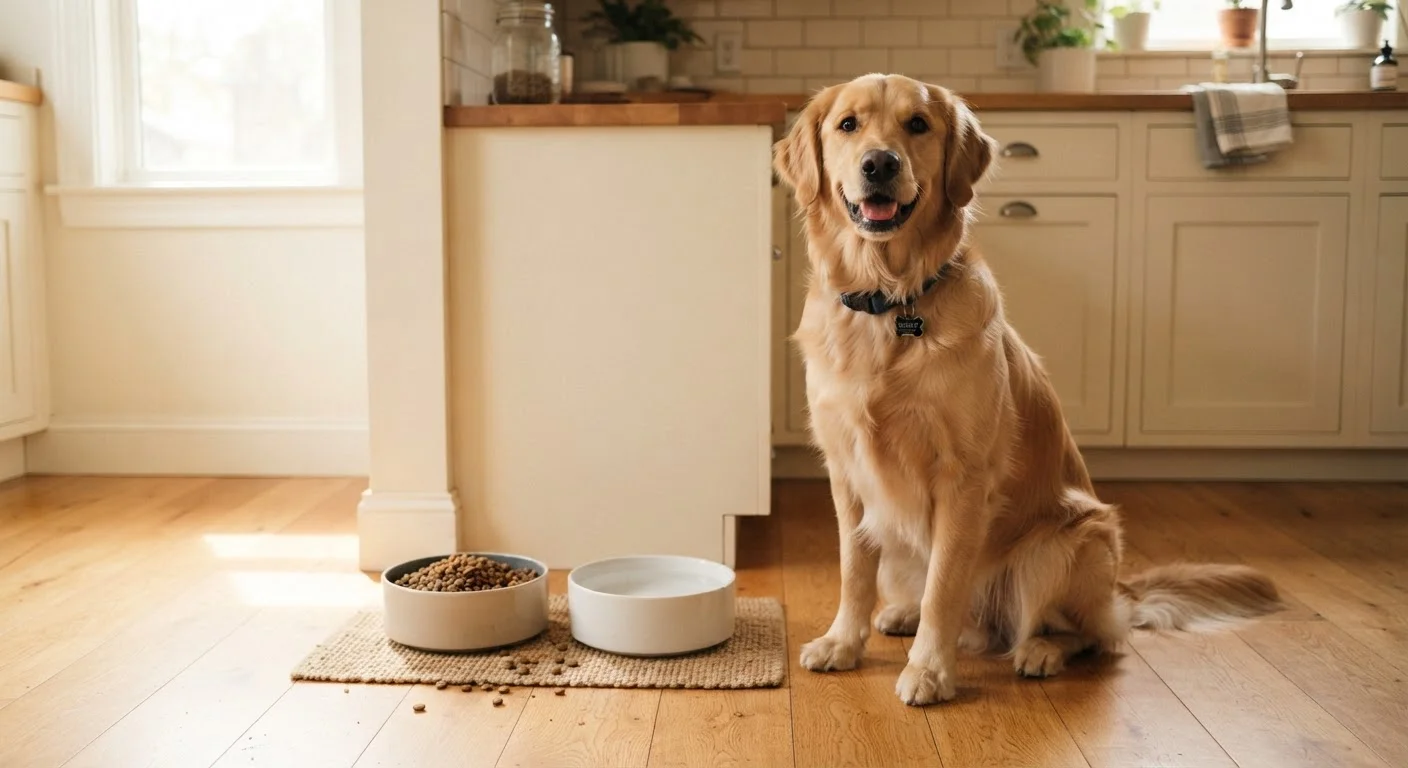
Why Feeding Timing Matters More Than You Might Think
A feeding schedule is about much more than convenience — it directly affects your dog's digestion, energy levels, and even their behavioral patterns. Dogs are creatures of routine. Predictable mealtimes reduce anxiety, make house-training more reliable (dogs tend to need bathroom breaks 20–60 minutes after eating), and help you catch health problems early through changes in appetite. Research in animal behavior consistently shows that structured daily schedules lower stress markers in domestic dogs — for more on that connection, see why pets thrive on routine.
Irregular feeding, by contrast, can contribute to digestive upset, begging behavior, and difficulty maintaining a healthy weight. The good news is that building a reliable schedule takes only a few deliberate choices and about a week of consistent follow-through for most dogs to adapt.
What you will need
What You'll Need to Get Started
Before setting your schedule, gather the basics so you're not estimating on the fly. Accurate portioning is one of the most common places dog owners go wrong — a "heaping cup" can add hundreds of extra calories per week without anyone noticing.
Kitchen scale or measuring cup
Accurately measures each meal portion to avoid overfeeding or underfeeding.
Automatic pet feeder
Dispenses meals at set times if your work schedule makes consistent manual feeding difficult.
Phone or smart home alarm
Sets daily reminders to feed at the same times each day while building the habit.
Once you have these in place, you're ready to work through the steps below. The entire setup process takes under 20 minutes; the real investment is consistency over the following weeks.
Step-by-Step: Building Your Dog's Feeding Routine
Follow the steps below to establish a schedule that fits your dog's individual needs and your daily life. If you have a puppy, a senior dog, or a dog with a known health condition, confirm specifics with your veterinarian before making significant changes to their diet or routine.
Determine the right number of daily meals
Most healthy adult dogs (typically one year and older) do well on two meals per day — morning and evening, roughly 8–12 hours apart. Puppies under six months generally need three to four smaller meals spread through the day because their stomachs are smaller and their energy demands are high. Senior dogs (generally seven years and older for large breeds, or ten-plus for smaller breeds) may benefit from smaller, more frequent meals if digestion slows or appetite decreases.
Free feeding — leaving food out all day — makes it hard to monitor intake, can encourage overeating, and removes the routine cues your dog relies on. For a deeper look at both approaches, see how scheduled vs. free feeding compares.
Calculate the correct daily portion
Start with the feeding guidelines printed on your dog's food packaging — these provide a calorie-per-cup baseline by body weight. However, treat those figures as a starting point, not a fixed rule. Activity level, metabolism, and whether your dog is spayed or neutered all affect actual needs.
If your dog is currently overweight, portion to their target weight, not their current weight. For guidance on adjusting portions safely, managing your dog's weight through diet alone explains caloric needs and portion control in practical terms.
Divide the daily total into equal portions across each meal — do not give a larger portion at one meal and a smaller one at another without a specific veterinary reason.
Choose specific, consistent meal times
Pick times that realistically fit your daily schedule on both weekdays and weekends — inconsistency across the week undermines the routine. Common schedules include 7 a.m. / 6 p.m. or 8 a.m. / 5 p.m. The exact hours matter less than the consistency. Dogs develop internal clocks quickly and will begin anticipating meals within days of a stable schedule.
Pairing feeding with another fixed habit — your own breakfast, a morning workout, or returning home from work — helps anchor the routine. building a morning routine that works for both you and your pet offers practical strategies for weaving pet care into your day.
Set a mealtime window and pick up the bowl
Place the bowl down at the scheduled time and leave it for 20–30 minutes. If your dog hasn't finished, remove the bowl until the next scheduled meal. This reinforces meal structure, helps you notice changes in appetite early (which can be an early health signal), and prevents spoilage of wet food.
This step also discourages picky eating behavior that often develops when dogs learn they can hold out for something better. A healthy dog will eat when food is offered consistently.
Monitor and adjust over the first four to six weeks
Watch your dog's body condition and behavior. You should be able to feel (but not prominently see) your dog's ribs, and there should be a visible waist tuck when viewed from above. Weight gain or loss, lethargy after meals, or excessive begging between feedings are all signals to reassess portion size or timing.
Puppies need their portions reviewed roughly every two to four weeks as they grow. Adult dogs may need seasonal adjustments if their activity level changes — how irregular activity affects your dog over time explains the downstream effects of reduced exercise on weight and behavior.
This article provides general information for educational purposes and is not a substitute for professional veterinary advice. Always consult your veterinarian before making significant changes to your dog's diet, especially if your dog has an existing health condition.
Staying Consistent Once the Routine Is Set
The hardest part of a feeding schedule isn't setting it — it's maintaining it when life gets busy. A few strategies help. Use phone alarms labeled with your dog's name so feeding doesn't get lost in the day. If travel or irregular hours are regular features of your life, an automatic feeder can bridge the gaps without disrupting the schedule your dog has come to rely on.
Remember that daily pet care routines compound over time: a dog fed consistently at the right portions, exercised regularly, and given predictable daily structure is far more likely to maintain a healthy weight, good digestion, and an even temperament. Small daily habits are the foundation of long-term pet health — and a feeding schedule is one of the easiest places to start.
The content on this site is for informational purposes only and is not a substitute for professional advice. Always consult a qualified professional for guidance specific to your situation.