

Why Disruptions Hit Harder Than They Should
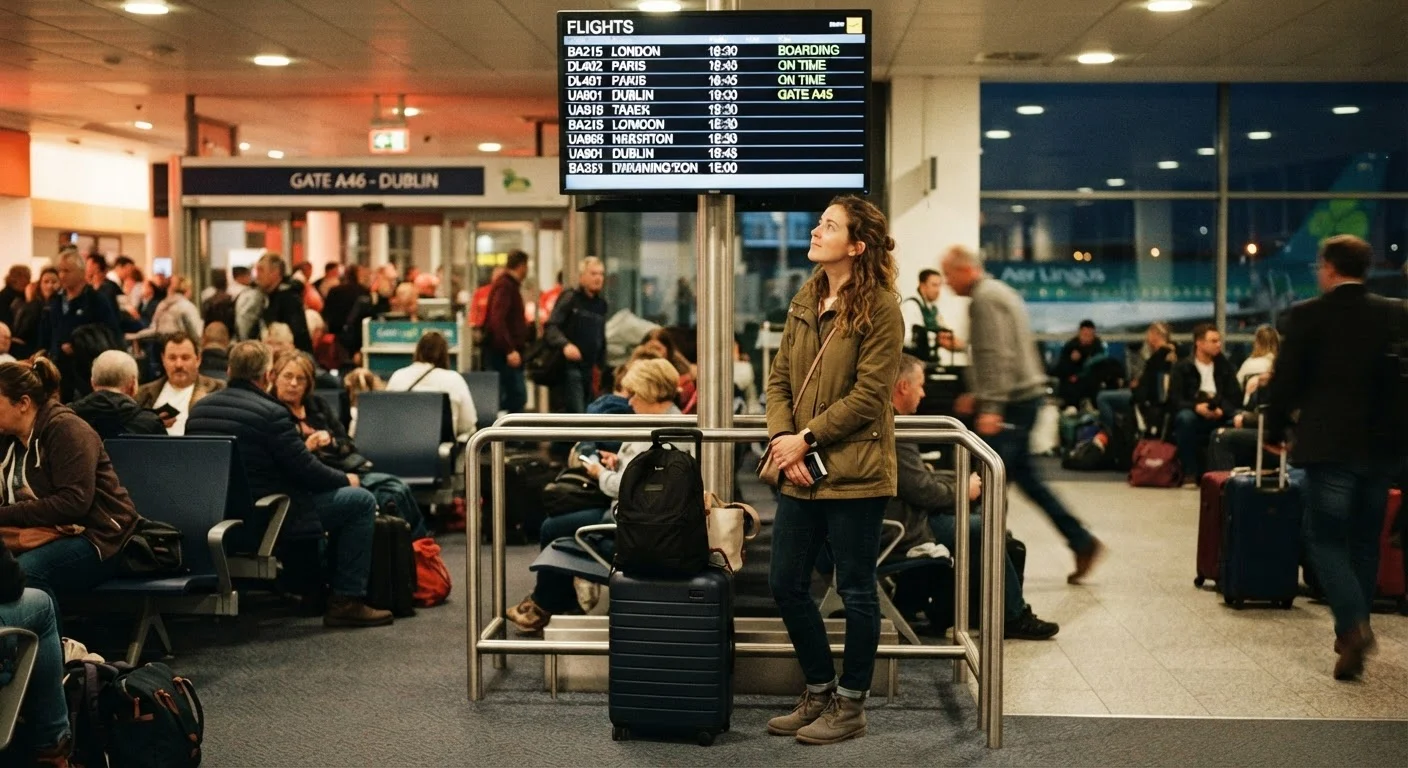
Most trip disruptions aren't exceptional — they're statistically routine. Flights get delayed or cancelled. Hotels overbook. Connections get missed. Yet travelers are consistently caught off guard, partly because the planning process tends to focus entirely on things going right. A well-planned trip includes disruption preparation as a standard layer, not an afterthought.
The emotional sting of disruption is real. You've invested time, money, and anticipation into a trip. When something breaks, the frustration is legitimate. But the travelers who recover fastest are those who've thought through failure scenarios in advance — not obsessively, but practically. Knowing your options before you need them is the most underrated travel skill there is.
This guide walks you through a structured approach to handling disruptions: what to do immediately, how to protect your financial interests, and how to get your trip back on track. See the tools you'll want on hand below.
Travel insurance policy
Provides coverage options for trip cancellations, delays, medical emergencies, and lost luggage — review your specific policy terms carefully.
Airline's mobile app
Delivers real-time flight status alerts and often allows rebooking directly without waiting on hold.
Credit card with travel protections
Some cards offer trip delay or cancellation reimbursement — check your card's benefits guide before assuming coverage exists.
Offline maps and documents
Downloaded maps and saved PDFs of reservations remain accessible when internet access is unavailable or unreliable.
Prepare Before You Leave: The Disruption Buffer Mindset
The best disruption response starts at home. When building your itinerary, build in margin. Avoid booking the last connecting flight of the day when possible. Give yourself a day of buffer before any high-stakes event — a wedding, a cruise departure, a non-refundable tour. These aren't signs of poor planning; they're signs of realistic planning.
Budgeting for the unexpected matters too. Even a modest emergency fund within your travel budget — enough to cover one unplanned hotel night or a replacement flight — changes your options dramatically when things go sideways. The trip budget guide walks through how to estimate these contingency costs realistically.
Keep a Disruption Contact Sheet
Before departure, save a simple note on your phone with your airline's customer service number, your accommodation's direct line, your travel insurance claim number, and your embassy's emergency contact. When something goes wrong, the last thing you want to be doing is searching for phone numbers on a slow airport Wi-Fi connection.
If you're traveling with a group, disruptions multiply in complexity. Coordinating rerouting for four people is exponentially harder than for one. The group trip coordination strategies covered in our planning guide are especially useful here — particularly designating decision-makers in advance.
What you will need
Step-by-Step: What to Do When Something Goes Wrong
Use the steps below as your action framework when a disruption hits. The sequence is designed to move from immediate triage to downstream recovery, keeping you focused on what's actionable rather than what's unfair.
Pause and assess the situation clearly
Before doing anything else, take a breath and gather the facts. What exactly changed — a delay, a full cancellation, a missed connection? How much time do you have before your next commitment? Knowing the scope of the disruption tells you how urgently you need to act and which options are realistically available. Panicking narrows your thinking; a clear assessment opens it up.
Contact your carrier directly and know your rights
Get in touch with your airline, bus company, or rail provider as soon as possible. For flight disruptions, the U.S. Department of Transportation outlines specific passenger rights around refunds and rebooking — familiarize yourself with these basics before your trip so you can advocate effectively. Ask what alternatives are available: the next flight, a partner airline, a different routing.
[warning_callout]Activate your travel insurance or card benefits
If you purchased travel insurance or have a credit card with trip protection, contact the provider to understand what your policy covers in this specific situation. Coverage varies significantly — some policies cover trip delays above a certain number of hours, others require specific cancellation causes. Have your policy number and the disruption documentation (airline communication, receipts) ready when you call.
Reassess and adjust your downstream plans
A flight delay of four hours ripples forward. Contact hotels, tour operators, or activity providers affected by your changed arrival. Many providers will work with you if you communicate proactively rather than simply not showing up. Check cancellation windows on reservations you may need to shift, and prioritize the ones with the tightest deadlines first.
Secure immediate needs: food, rest, and connectivity
If you're stuck for several hours, address basic comfort. Find somewhere to sit, eat something, and keep your devices charged. Many airports have lounges accessible for a day pass fee — worth considering during long waits. Staying physically comfortable has a direct effect on your ability to problem-solve and make clear decisions under pressure.
Document everything for potential reimbursement
Keep receipts for any expenses you incur as a result of the disruption — meals, accommodation, transport. Many travel insurance claims and some airline compensation processes require itemized documentation. Take screenshots of official communications, delay notifications, and any written offers made by the carrier. Organized records make the claims process significantly smoother.
Always Verify Entry Rules Directly
Visa requirements, health documentation, and border policies can change with little notice. Never rely solely on third-party sources or this article for entry requirements. Check official government websites — both your home country's foreign affairs agency and the destination country's immigration authority — before you travel.
Experienced travelers also build in a few of the lesser-known planning steps that help specifically when things go wrong — such as registering with the Smart Traveler Enrollment Program (STEP) for international trips, or saving offline copies of reservations. These small habits pay off when internet access disappears at the worst moment.
Finally, disruption response is easier when your baseline itinerary was realistic to begin with. If you're weighing whether a tightly scheduled trip or a more flexible approach fits your travel style, the comparison in itinerary planning vs. spontaneous travel is worth reading before your next booking.
The content on this site is for informational purposes only and is not a substitute for professional advice. Always consult a qualified professional for guidance specific to your situation.