

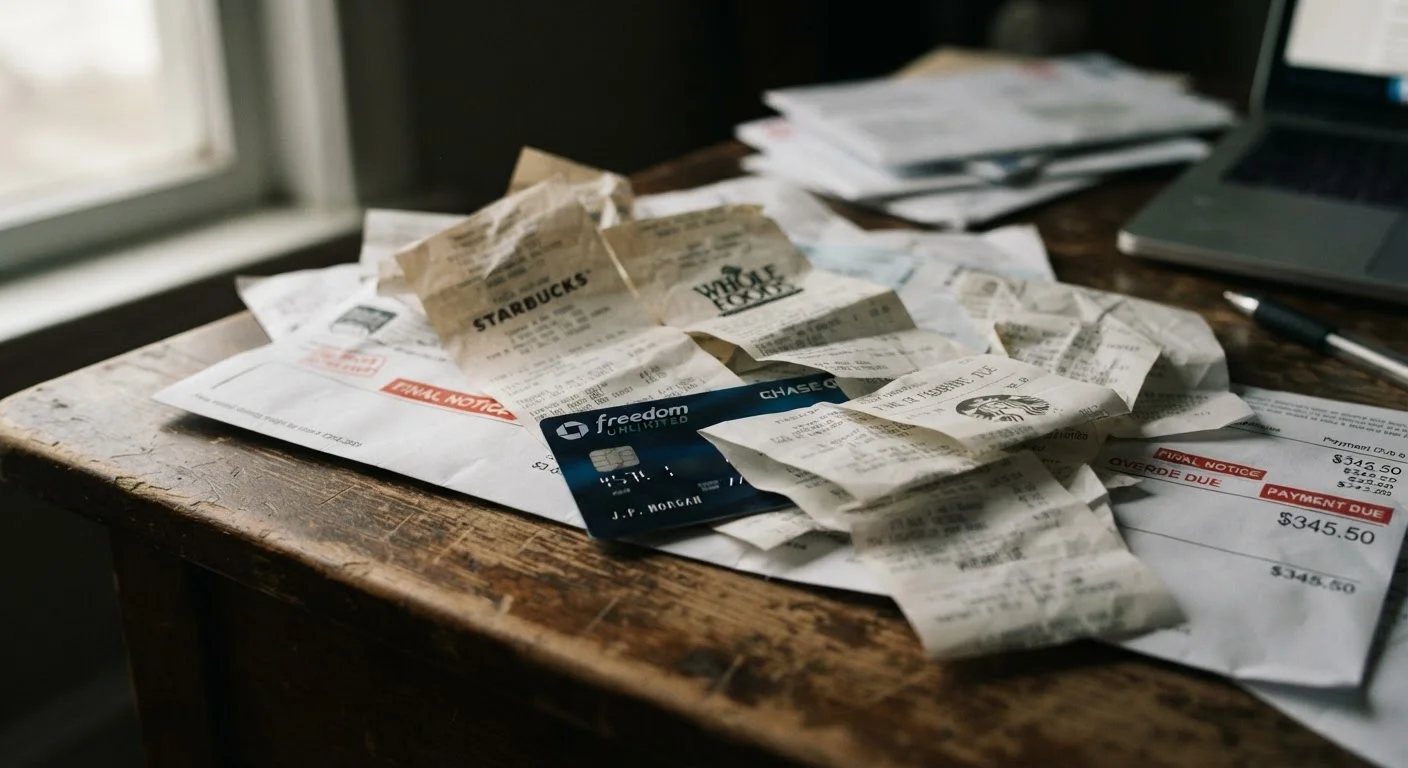
Why Credit Damage Often Goes Unnoticed
Most people know that missing a mortgage payment or defaulting on a loan is serious. What's harder to see is how everyday financial habits — each one seeming minor in isolation — can gradually erode a credit score over months or years. Credit scoring models weigh five core factors, and small missteps can quietly affect several of them at once. For a solid grounding in what those factors are, see The Five Factors Behind Your Credit Score.
Understanding which habits cause slow-burn damage puts you in a position to stop them before they become expensive problems. This article is for general educational purposes and is not personalized financial advice. For guidance specific to your situation, consider speaking with a licensed financial counselor.
Making late payments — even occasionally or by just a few days.
Why it happens: Life gets busy, and a bill can slip through when you're managing multiple due dates manually. Many people also underestimate how quickly a late payment is reported to bureaus.
Carrying a high balance relative to your credit limit, even temporarily.
Why it happens: Many consumers assume that as long as they pay in full each month, their utilization doesn't matter. But bureaus typically capture your balance on the statement closing date — not the payment date.
Closing old credit card accounts you no longer actively use.
Why it happens: Closing an unused card feels tidy and responsible. In practice, it reduces your total available credit and can shorten your average account age — both of which affect your score.
Applying for multiple new credit accounts in a short period.
Why it happens: Promotional offers, retail store discounts, and the appeal of rewards cards tempt consumers to open several accounts at once. Each application typically triggers a hard inquiry, which temporarily lowers your score.
Never checking your credit report for errors or unfamiliar accounts.
Why it happens: Many people assume their report is accurate unless they're alerted to a problem. Errors — including accounts that don't belong to you, incorrect payment statuses, and duplicate entries — are more common than most expect.
Co-signing a loan without understanding the credit implications.
Why it happens: Co-signing feels like a low-risk favor to a friend or family member. Most co-signers don't realize the account appears on their own credit report and that any missed payment by the primary borrower affects their score too.
How to Course-Correct and Protect Your Score
The encouraging reality is that credit damage caused by behavior is reversible — it just takes patience and consistency. If you've identified one or more of the habits above in your own routine, the following steps can help.
Don't Ignore Small Balances on Forgotten Accounts
A small outstanding balance on a store card or old account you've stopped using can become a late — or even a collections — entry if you've forgotten about it. Collections accounts can stay on your credit report for up to seven years. Periodically audit all open accounts to make sure none have balances you've overlooked.
Review your credit reports regularly. Federal law entitles U.S. consumers to free reports from each of the three major bureaus through AnnualCreditReport.com. Errors are more common than many people realize, and an inaccurate late payment or account entry can suppress your score unnecessarily. Learn more about correcting those errors in our guide to disputing an error on your credit report.
Build a payment system. Automate at least the minimum payment on every credit account so nothing slips through the cracks. Pay more than the minimum whenever your budget allows to keep utilization low.
Think twice before opening or closing accounts. Neither action is always wrong, but both carry scoring implications. Evaluate the impact on your average account age and utilization ratio before making changes.
For a broader look at habits that work in your favor, responsible credit use practices lays out evidence-backed behaviors that build credit over time. And if some of these credit missteps connect to broader spending patterns, spending habits that quietly wreck an otherwise solid budget covers the budget side of the equation.
This article is for general informational and educational purposes only and does not constitute personalized financial or credit advice. Consult a qualified financial professional for guidance tailored to your individual circumstances.
The content on this site is for informational purposes only and is not a substitute for professional advice. Always consult a qualified professional for guidance specific to your situation.