

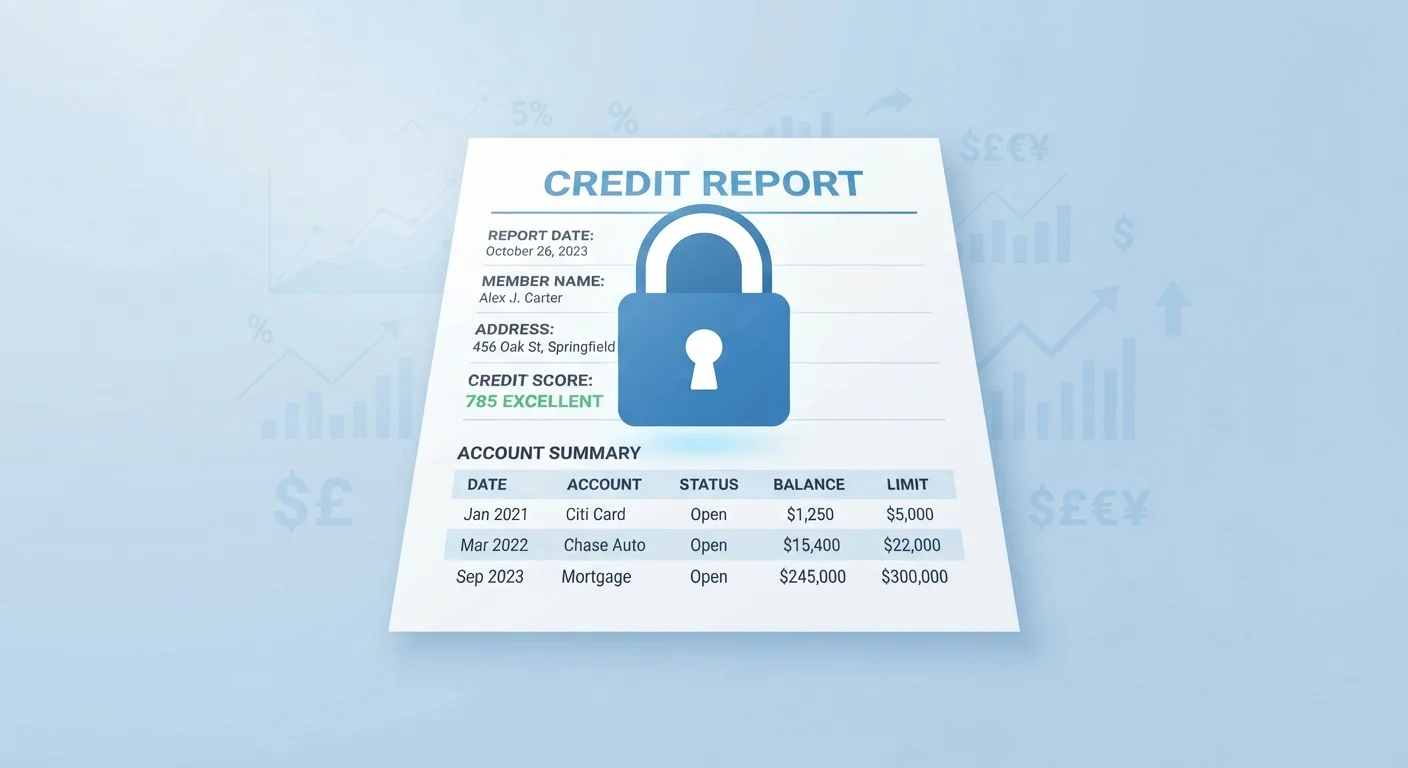
How a Credit Freeze Works
When you place a credit freeze, you are essentially locking your credit file at each bureau so that outside parties cannot read it to make lending decisions. Most creditors require a credit check before opening a new account. If your file is frozen and they cannot access it, the application process stops — which is exactly the point.
The three major credit bureaus — Equifax, Experian, and TransUnion — each maintain an independent credit file for you. A freeze must be placed (and later lifted) separately at all three. Initiating a freeze online or by phone is typically free and quick, and federal law requires bureaus to process requests within one business day for electronic submissions.
When you need to apply for new credit — a mortgage, an auto loan, or a new credit card — you temporarily lift the freeze for a specific bureau or for a set time window. Once the lender has completed their check, you can refreeze your file. This is sometimes called a "thaw."
Freezes Apply to Credit Reports, Not Bank Accounts
A credit freeze only restricts access to your credit report at the three major bureaus. It has no connection to your bank accounts, debit cards, or investment accounts. For those, rely on account alerts, strong passwords, and two-factor authentication through your financial institutions.
What a Credit Freeze Does Not Cover
A credit freeze is powerful, but it is not a complete identity-theft shield. Understanding its limits helps you use it realistically as part of a broader protective strategy.
- Existing accounts are not protected. If a thief already has your credit card number or bank account login, a freeze does nothing to stop unauthorized charges on those accounts. Monitor existing accounts separately.
- Not all checks are blocked. Certain types of inquiries can still access your frozen report — including checks by your existing creditors, government agencies, debt collectors acting on existing debts, and companies conducting background screening for employment purposes.
- Non-credit fraud is unaffected. Medical identity theft, tax refund fraud, and benefits fraud typically do not involve a credit check at all, so a freeze offers no protection against them.
For a deeper look at which types of credit inquiries can reach your file and which cannot, see our guide to hard vs. soft inquiries.
1.1M+
Identity theft reports filed annually in the U.S.
According to the Federal Trade Commission's Consumer Sentinel Network Data Book, identity theft consistently ranks among the top consumer complaint categories each year.
$0
Cost to place or lift a credit freeze
The Economic Growth, Regulatory Relief, and Consumer Protection Act of 2018 made credit freezes permanently free for all consumers at the three major bureaus.
3
Bureaus requiring separate freeze requests
Equifax, Experian, and TransUnion each maintain independent credit files, so a consumer must contact all three individually to ensure complete coverage.
When Using a Credit Freeze Makes Sense
A credit freeze is worth considering in several situations:
- After a data breach. If a company you've done business with notifies you that your personal information was exposed, placing a freeze limits the risk that exposed data will be used to open fraudulent accounts.
- If your Social Security number has been stolen. SSN theft is among the most serious forms of identity theft because it can be used to apply for credit, file tax returns fraudulently, or claim benefits in your name.
- As a permanent precaution. If you are not actively applying for new credit and don't plan to in the near term, keeping a freeze in place is a reasonable, low-effort protective measure. It costs nothing and does not affect your score.
- For children or elderly relatives. You can place a freeze on a minor child's credit file, which prevents fraudsters from exploiting a file that the child may not monitor for years. Similar protection is available for incapacitated individuals under a legal guardianship arrangement.
It's worth noting that a credit freeze is separate from building or maintaining good credit. To understand which behaviors actually affect your score, read our breakdown of common credit score myths.
Keep Your Bureau PINs or Passwords Safe
Some bureaus issue a PIN or require you to create a password when you place a freeze — you'll need it to lift the freeze later. Store this information securely, such as in a password manager or a locked physical document. Losing access to your PIN can delay the process of temporarily removing a freeze when you need it most.
Credit Freeze vs. Fraud Alert: Choosing the Right Option
If a full freeze feels like more than you need, a fraud alert is a lighter alternative. Rather than blocking access entirely, a fraud alert flags your file and instructs lenders to take additional steps — such as calling you directly — before approving new credit in your name.
A one-year initial fraud alert can be placed free of charge at any one of the three bureaus, and that bureau is required to notify the other two. Victims of identity theft can place an extended fraud alert lasting seven years. Fraud alerts do not block lenders from accessing your report, so they offer less protection than a freeze but require less active management.
The right choice depends on your situation. If you are actively shopping for credit, a fraud alert may be more practical because it doesn't require you to coordinate temporary lifts across multiple bureaus. If you have no near-term credit needs and are responding to a serious data exposure, a freeze is the stronger option.
Protecting your credit file is just one piece of maintaining a healthy financial profile. For habits that actively strengthen your credit standing over time, see responsible credit use practices.
This article is for general informational and educational purposes only and does not constitute personalized financial or legal advice. For guidance specific to your situation, consult a qualified financial professional.
Frequently Asked Questions
No. Placing or lifting a credit freeze has no impact on your credit score whatsoever. Your score is based on the information inside your credit report, not on whether your report is frozen.
A credit freeze stays in place indefinitely until you choose to remove it. There is no automatic expiration, which means you must actively lift it when you need a lender to access your report.
Yes. A credit freeze only restricts access to your report for the purpose of opening new accounts. Your existing credit cards, loans, and lines of credit remain fully functional.
No. A fraud alert notifies lenders to take extra steps to verify your identity before approving credit, but it does not block access to your report. A freeze is a stronger restriction. A fraud alert placed at one bureau is automatically shared with the others; a freeze is not.
Contact each bureau — Equifax, Experian, and TransUnion — directly through their websites, by phone, or by mail. You can lift a freeze permanently or specify a date range. Online and phone requests are typically processed within one hour.
Yes. A freeze at one bureau does not carry over to the others. Because different lenders check different bureaus, protecting all three gives you the most complete coverage.
The content on this site is for informational purposes only and is not a substitute for professional advice. Always consult a qualified professional for guidance specific to your situation.