

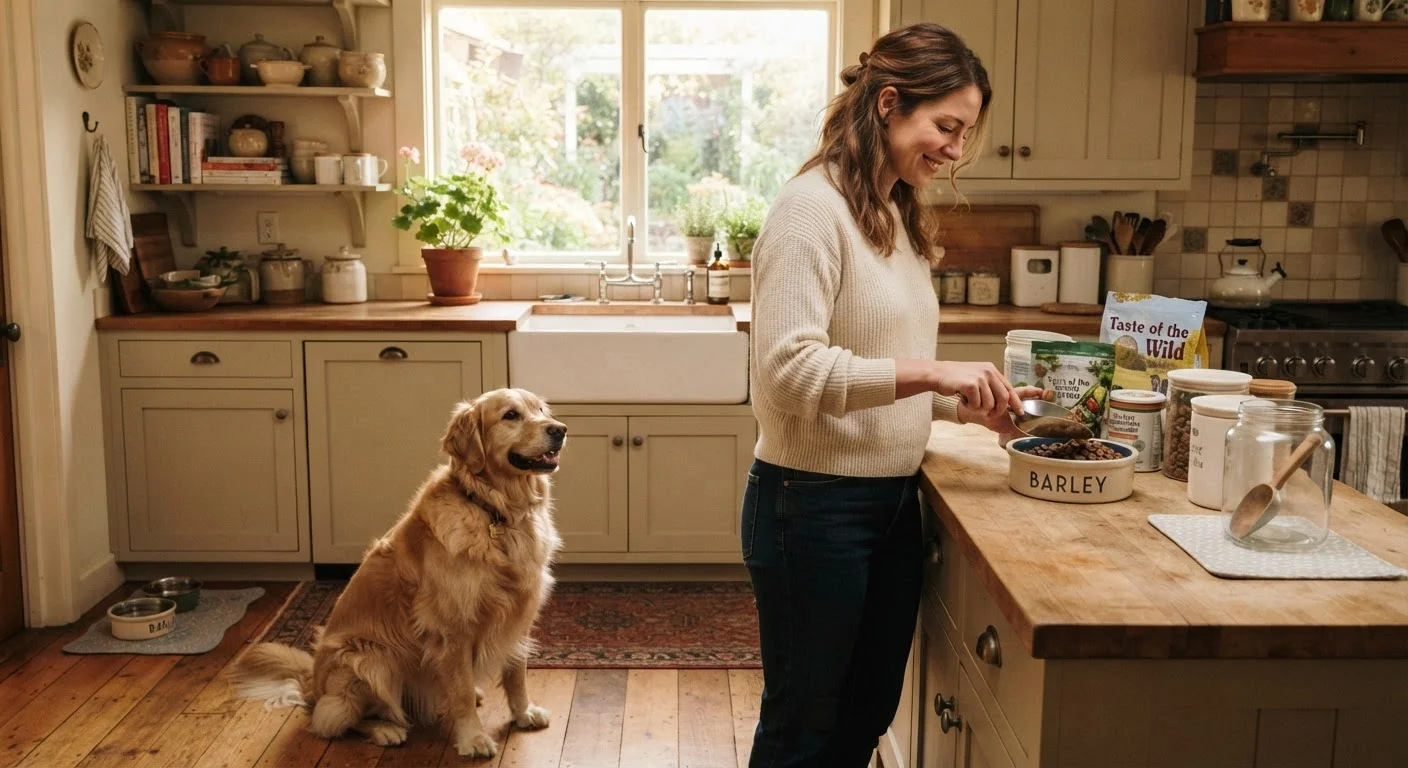
Why Your Morning Sets the Tone for Your Pet's Entire Day
Most pet owners think of a morning routine as purely a human productivity tool. But the structure you create each morning sends powerful signals to your animal: the world is predictable, you are present, and their needs will be met. Pets with inconsistent mornings — varying meal times, irregular walks, unpredictable departures — often show subtle but measurable signs of stress, including digestive upset, increased vocalization, or restlessness.
The good news is that a pet-inclusive morning doesn't require extra time. It requires sequenced time — doing the same things in the same order so both you and your pet can move through the morning without friction. If you're building habits from scratch with a new animal, the foundational guidance in daily pet care from day one is a useful starting point before applying the steps below.
What you will need
What You'll Need
You don't need specialized equipment to build a solid morning routine, but a few tools make consistency easier to maintain.
Measuring cup or kitchen scale
Ensures accurate portion sizes at each feeding rather than eyeballing amounts.
Leash and collar or harness
Required for safe outdoor walks or exercise with dogs.
Automatic pet feeder
Delivers meals at a precise time if you need to leave before your pet eats.
Puzzle feeder or slow bowl
Extends mealtime mentally and slows fast eaters, supporting digestion.
Step-by-Step: Building Your Shared Morning Routine
Follow these steps in order. The sequence matters almost as much as the individual actions — your pet will learn to anticipate each transition, which itself reduces anxiety and supports calm behavior throughout the day.
Wake up within the same 30-minute window each day
Pets — especially dogs and cats — are highly attuned to time. Research consistently shows that predictable schedules lower cortisol levels and reduce anxious behavior in companion animals. You don't need a military-precise alarm; a 30-minute window is sufficient. What matters is that your pet's body clock can anticipate what comes next. To learn more about why this works, see the science behind why pets thrive on routine.
Offer water before food
Before filling the food bowl, refresh your pet's water. Overnight, bowls accumulate bacteria and pets wake up mildly dehydrated — especially in warm months. Fresh water first encourages hydration and gives you a moment to observe your pet's alertness and energy before the busier parts of the routine begin. Note any changes in thirst, as dramatic shifts can signal health concerns worth discussing with your veterinarian.
Feed at a consistent time with measured portions
Serve your pet's morning meal at roughly the same time each day. Use a measuring cup or kitchen scale rather than estimating — portion accuracy directly affects weight, digestion, and energy. If your schedule forces an early departure, an automatic feeder can maintain timing without sacrificing consistency. For a deeper look at structuring mealtimes effectively, compare scheduled feeding against free feeding to find the right fit for your household. Dog owners can also explore setting a feeding schedule for dogs based on age and activity level.
Build in brief morning movement
After feeding, allow 20–30 minutes for digestion before vigorous exercise — especially for medium-to-large dogs prone to bloat. A short, calm walk or play session works well in this window. For cats, a 3–5 minute interactive toy session provides the mental stimulation and movement they need. Movement also reinforces your bond and gives your pet a structured outlet for overnight energy. If you're also trying to anchor physical activity into your own day, the principles in building a morning movement routine that actually sticks translate naturally to a shared walk.
Add two minutes of focused bonding before you leave
Before transitioning out of the morning into your work or errands, spend two minutes in calm, intentional interaction with your pet: gentle petting, a brief grooming pass, or quiet play. This closing signal helps your pet understand that the active part of the morning is ending and a calm period follows. Pets that experience abrupt departures without this transition are more likely to show signs of time-based anxiety around your departure window.
Track how the routine is landing for your pet
After one to two weeks, observe whether your pet is waking calmly, eating readily, and settling after you leave. These observable behaviors are the clearest feedback a routine is working. If you notice persistent anxiety, digestive irregularity, or reluctance around mealtimes, consult your veterinarian — these can indicate underlying health or behavioral factors that routine alone won't resolve. For a full list of what to watch for, learn the signs your daily pet care routine is actually working.
Sequence Beats Perfection Every Time
You don't need to hit an exact time each morning — you need to follow the same order. Water, food, movement, bonding. When that sequence becomes automatic for you, it becomes predictable for your pet, and predictability is what produces calm, well-adjusted behavior. Start with two or three days in a row before judging whether it's working.
Adapting the Routine for Multiple Pets or Busy Schedules
If you share your home with more than one animal, mornings can feel like logistical chaos — especially when pets have different dietary needs, energy levels, or species-specific schedules. The core principle still applies: sequence and consistency matter more than precision. Feed in the same order each morning, walk or engage each pet for their appropriate duration, and keep departures calm and brief for all animals simultaneously where possible.
For households managing genuinely complex multi-pet logistics, caring for multiple pets and keeping routines manageable offers practical systems for balancing different needs without doubling your workload. The Pet Health Basics hub is also a reliable reference when you want to confirm that your routine aligns with broader health best practices for your specific animal.
This article provides general pet care guidance and is not a substitute for advice from a licensed veterinarian. Consult your vet for any health concerns specific to your pet.
Avoid Rushing Morning Exercise After Meals
Vigorous exercise immediately after eating increases the risk of bloat (gastric dilatation-volvulus) in susceptible dog breeds — a serious and potentially life-threatening condition. Allow at least 20–30 minutes of calm time after a meal before any high-intensity activity. If you're unsure about your dog's specific risk, ask your veterinarian for guidance tailored to their breed and size.
The content on this site is for informational purposes only and is not a substitute for professional advice. Always consult a qualified professional for guidance specific to your situation.