

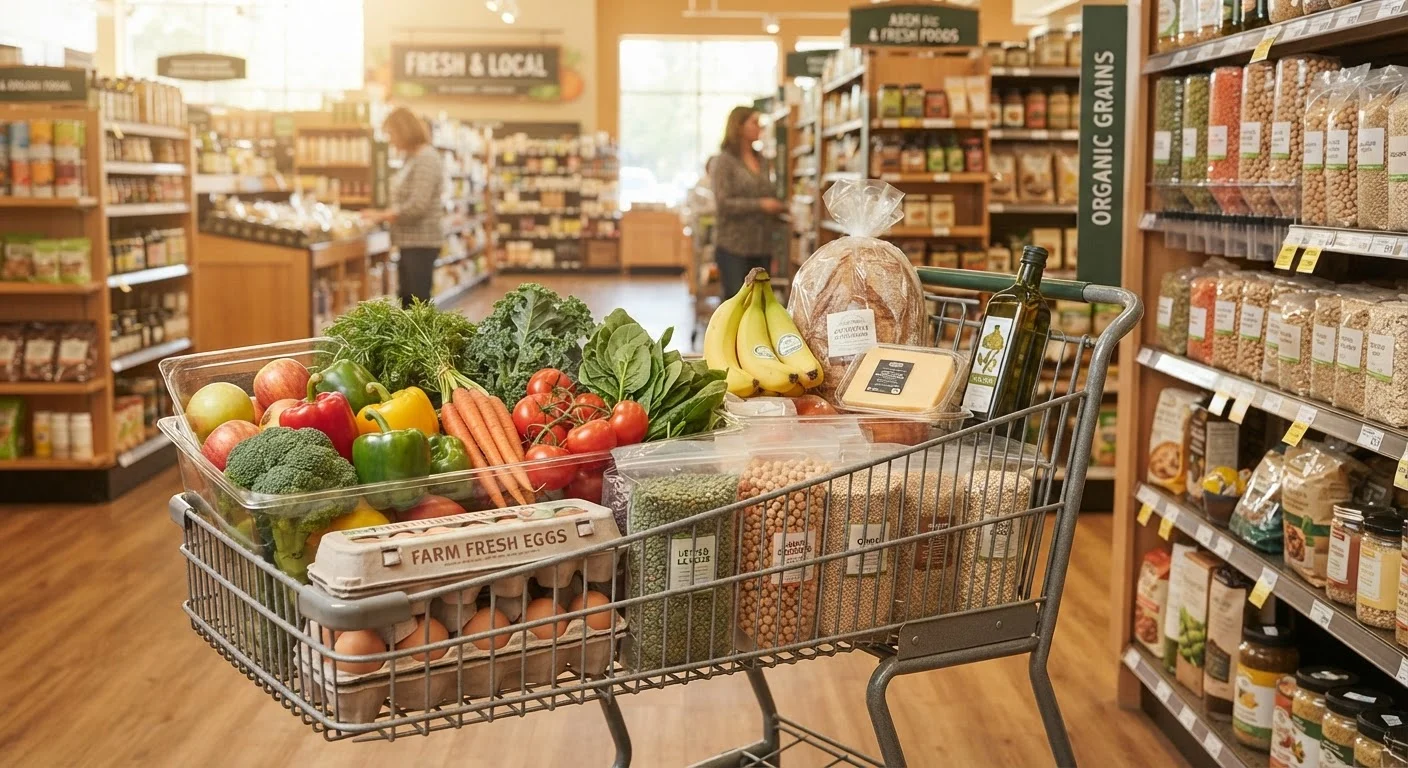
Why Nutrition Suffers on a Tight Budget — and Why It Doesn't Have To
The popular assumption that eating healthy costs more money is only partly true. Highly processed convenience foods are often cheaper per calorie in the short term, but the most nutrient-dense foods in any grocery store — dried legumes, whole grains, eggs, frozen vegetables, canned fish — are also among the most affordable items per serving. The gap between a nutritious diet and an expensive one is frequently a planning gap, not an income gap.
That distinction matters. When budgets tighten, many households reflexively cut quality rather than rethink their shopping habits. The result is a diet heavier in ultra-processed items that may fill the stomach but underdeliver on protein, fiber, vitamins, and minerals. A more durable approach is building a grocery strategy that makes nutritional value the anchor, then fitting cost decisions around it.
If you're newer to managing food spending deliberately, the foundational habits in budget shopping are a useful starting point before applying the more targeted practices below.
Best Practices for Eating Well on Less
The following practices are grounded in how grocery pricing actually works — not frugality myths or oversimplified advice. Apply them selectively based on your household's needs.
Compare unit prices, not package prices, before choosing between similar products.
Package size and price have almost no reliable relationship to actual value. A larger box at a higher sticker price is often — but not always — cheaper per ounce or per serving. Retailers are required to display unit pricing on shelf tags in most US states, but the format varies and can be easy to overlook.
Build at least three dinners per week around plant-based protein staples.
Dried or canned legumes — lentils, chickpeas, black beans, kidney beans — deliver significant protein and fiber at a fraction of the cost of most animal proteins. Rotating them into the weekly menu lowers food costs without creating a nutrition deficit, provided the rest of the meal provides adequate variety.
Plan meals for the week before writing your grocery list — not the other way around.
Shopping without a meal plan leads to redundant purchases, unused produce that spoils, and midweek convenience-food runs that break the budget. A basic weekly structure — even a flexible one — allows you to shop ingredients that cross multiple meals, reducing both cost and waste.
Treat frozen vegetables as a default, not a compromise.
Frozen vegetables are processed at peak ripeness and retain most of their nutritional value through freezing. They carry no spoilage risk, are available year-round regardless of seasonal price swings, and typically cost less per serving than fresh equivalents. The stigma around frozen produce has no meaningful nutritional basis.
Understand when bulk buying genuinely saves money versus when it increases waste.
Buying larger quantities of shelf-stable staples — oats, rice, canned goods — can reduce per-unit cost meaningfully. But bulk buying perishables that won't be consumed in time generates waste that eliminates any savings. The math only works when storage space and consumption rate align with the quantity purchased.
Keep a short running list of pantry staples and replenish before they run out.
Running out of staples mid-week pushes shoppers toward convenience stores or unplanned grocery trips where higher-priced substitutes get purchased without comparison. Maintaining a baseline pantry of five to eight items prevents these costly reactive purchases.
Quick Actions You Can Take This Week
You don't need to overhaul your entire grocery routine at once. These immediate steps can meaningfully reduce spending without touching nutritional quality.
For a more structured approach to setting limits before you shop, see how to build a grocery budget that holds.
The Nutritional Lines Worth Holding
Not every nutritional category needs equal attention when money is tight. Prioritizing is smarter than cutting across the board.
Protein is the first priority. It supports muscle maintenance, satiety, and metabolic function. Fortunately, the least expensive protein sources — dried beans, lentils, canned tuna, eggs, plain Greek yogurt — are also nutritionally strong. Centering meals on these rather than expensive cuts of meat can cut protein costs substantially without reducing intake.
Fiber follows closely. Most Americans already fall short of recommended fiber intake, and budget diets can make that worse if refined grains replace whole ones. Oats, brown rice, canned chickpeas, and frozen edamame provide fiber at low cost per serving.
Vegetables and fruit are where frozen and canned options genuinely earn their place. Frozen produce is typically harvested and flash-frozen at peak ripeness, preserving most nutrients. Canned options vary — choose those without heavy syrups or high sodium where practical. Pairing these with one or two fresh items per week keeps variety without dramatically increasing cost.
~90%
US adults falling short of vegetable recommendations
According to CDC dietary surveillance data, the vast majority of American adults do not meet federal vegetable intake guidelines — a gap that budget-conscious frozen and canned options can help close.
$0.25–$0.50
Typical cost per serving of dried legumes
Nutritional cost analyses across USDA food data consistently place dried beans and lentils among the lowest-cost complete protein sources available in US grocery stores.
For a more complete framework on organizing nutritious purchases, a nutrition-grounded grocery checklist can help you structure your list before shopping.
This article is for general informational purposes only and is not a substitute for personalized nutrition or medical advice. Consult a qualified healthcare professional or registered dietitian for guidance specific to your health needs.
The content on this site is for informational purposes only and is not a substitute for professional advice. Always consult a qualified professional for guidance specific to your situation.