

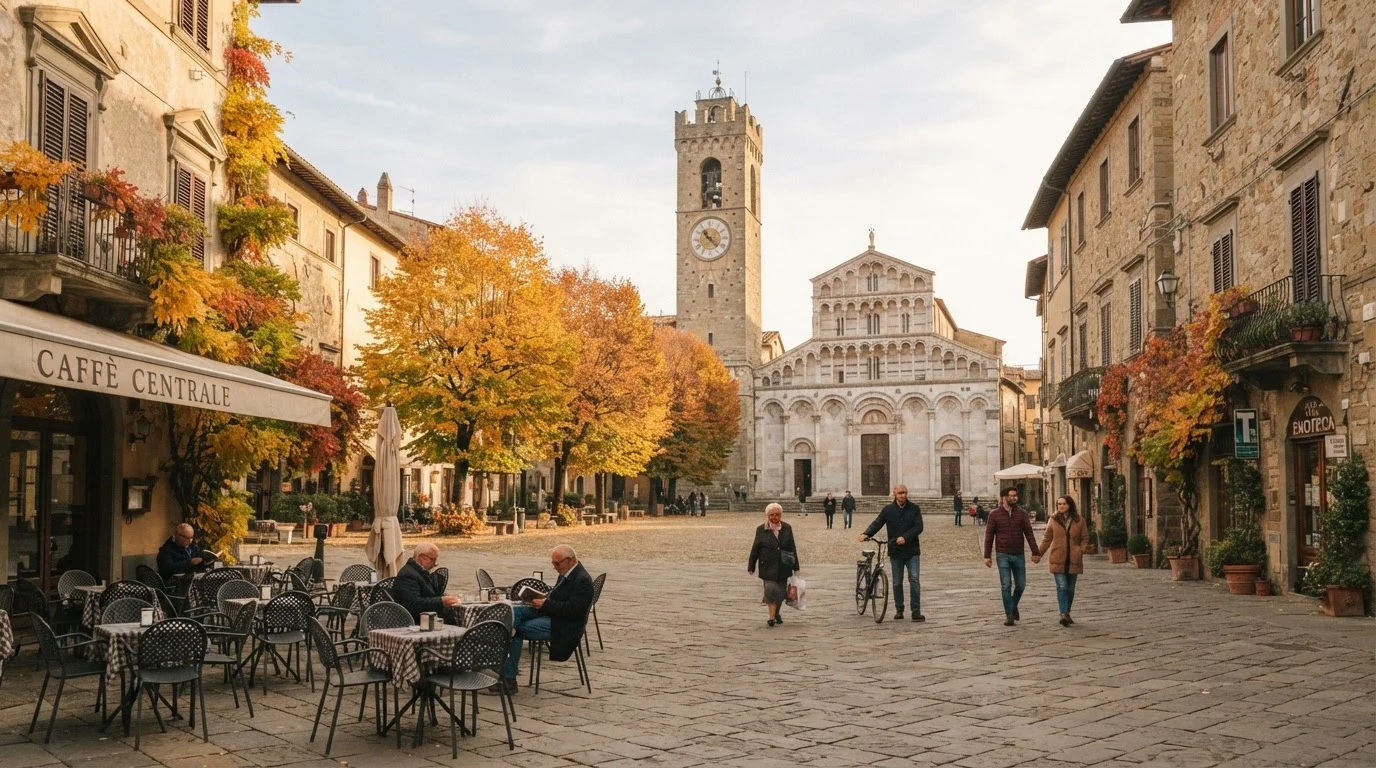
What Shoulder Season Actually Means
Most travelers think in two modes: peak season (when everyone goes) and off-season (when conditions may be harsh or attractions closed). Shoulder season is the often-overlooked third option — the windows of time that bracket a destination's busiest period.
For a Mediterranean beach destination, peak season might run June through August. Its shoulder seasons would then be April–May and September–October — periods when the weather is still warm enough for most activities, but the summer rush has either not yet arrived or has just cleared out. For a ski resort, peak season typically centers on the winter holidays and prime snowfall months, with shoulder periods falling in early winter before the snow pack deepens, or spring as conditions soften.
The concept applies globally, but the specific timing is always destination-dependent. Generic advice like "visit Europe in the fall" glosses over the fact that shoulder season for Barcelona looks different than it does for Copenhagen. See our guide on misreading 'best time to visit' advice for a deeper look at why timing guidance needs to be destination-specific.
Shoulder Season Is Not One-Size-Fits-All
A destination in the Southern Hemisphere has seasons that are the reverse of North America's. A shoulder season strategy that works for a European city break may be completely wrong for a Southeast Asian destination, where monsoon patterns shape the travel calendar more than tourist demand. Always research the specific destination's climate and tourism cycle before booking.
Why Shoulder Season Matters for Cost-Conscious Travelers
Demand drives pricing in travel. When a destination is flooded with visitors, hotels raise rates, airlines fill premium seats first, and tour operators charge accordingly. Pull that demand back even modestly, and the economics shift in the traveler's favor.
During shoulder season, accommodation rates often drop meaningfully — sometimes 20 to 40 percent compared to peak weeks, depending on the destination. Flights to popular international destinations can reflect similar patterns. Booking tours or guided experiences can also be easier and more affordable when operators have availability to fill.
20–40%
Typical hotel rate reduction in shoulder vs. peak season
Industry travel research consistently shows accommodation pricing drops significantly in the weeks just outside a destination's peak demand window.
~30%
Travelers who say crowds are their top complaint
Surveys of international travelers regularly cite overcrowding at popular sites as among the most frustrating aspects of peak-season trips.
Beyond direct savings, shoulder season reduces the hidden friction of peak travel: long entry queues at popular sites, fully booked restaurants with multi-week waits, and the general sense of being shuffled through a destination alongside thousands of other visitors. Our overview of where trip budgets quietly bleed out covers how small costs compound — and shoulder season timing can reduce several of those pressure points simultaneously.
Trade-Offs Worth Knowing Before You Go
Shoulder season is not a universal upgrade. There are real trade-offs, and experienced travelers factor them in rather than ignoring them.
Weather variability: By definition, shoulder season sits outside the period when conditions are most predictably favorable. Late September in a Mediterranean destination might bring warm, clear days — or early autumn rains. Pack accordingly and check historical weather patterns for your specific travel window, not just average monthly data.
Reduced services: Some beach towns, mountain resorts, and tourism-dependent villages operate on reduced schedules outside of peak season. Restaurants may close certain days, seasonal boat tours may stop running, or a landmark attraction might have shortened hours. Always verify what's actually available during your travel dates.
Local events and holidays: A destination's shoulder season on the standard tourism calendar can still see price spikes around major local festivals, national holidays, or regional events. Checking the local calendar before booking pays off. This is one of the lesser-known planning steps that experienced travelers never skip.
Build a Local Event Check Into Your Planning
Before finalizing shoulder season dates, search for major local festivals, national holidays, and regional events at your destination. A regional wine harvest festival or national independence holiday can push accommodation prices back toward peak levels even during an otherwise quiet period. Five minutes of research can prevent an unpleasant pricing surprise.
How to Apply This to Your Next Trip
The practical starting point is flexibility. Travelers who can shift their dates by two to four weeks around a destination's peak period are often the ones who benefit most from shoulder pricing. If your schedule is fixed, knowing whether your travel dates fall in shoulder versus peak season at least helps you set realistic budget expectations.
Use flight and accommodation search tools to look at price calendars month by month — the drop in rates often visually signals exactly where shoulder season begins. Cross-reference with climate data and the destination's local event schedule. The Destinations Guide can help you identify what to expect from specific locations across seasons.
For travelers building a complete trip budget, shoulder season timing is one lever among several. Our comprehensive guide to budget travel from start to finish covers the full planning-to-spending picture — shoulder season timing fits naturally into that framework as an early, high-impact decision.
Frequently Asked Questions
Shoulder season is the period between a destination's peak tourist season and its off-season. It typically offers fewer crowds, lower accommodation costs, and more manageable travel logistics compared to the busiest times of year.
Generally, yes — prices for flights, hotels, and tours tend to drop during shoulder periods because demand is lower. However, some destinations see price spikes around local holidays or events even during shoulder months, so it's worth checking the specific calendar for your destination.
Weather can be less reliable, and some seasonal attractions, restaurants, or facilities may operate on reduced schedules. A few heavily tourism-dependent destinations also wind down certain services during this period. Researching what's actually open and operating is a smart step before you book.
Look at monthly price trends for flights and accommodation to identify when costs dip. Cross-reference this with climate data and local event calendars. Travel forums and country-specific tourism boards can also give you a clearer picture of the local travel rhythm.
Absolutely. A coastal beach town and an inland mountain destination within the same country may have entirely different peak and shoulder periods based on climate, local tourism drivers, and visitor demographics. Treat each destination individually.
In most cases, yes — major sites remain open, often with shorter lines and a more comfortable visiting experience. Some smaller local businesses or seasonal tours may have reduced hours, so verifying operating schedules directly with vendors before traveling is advisable.
The content on this site is for informational purposes only and is not a substitute for professional advice. Always consult a qualified professional for guidance specific to your situation.