

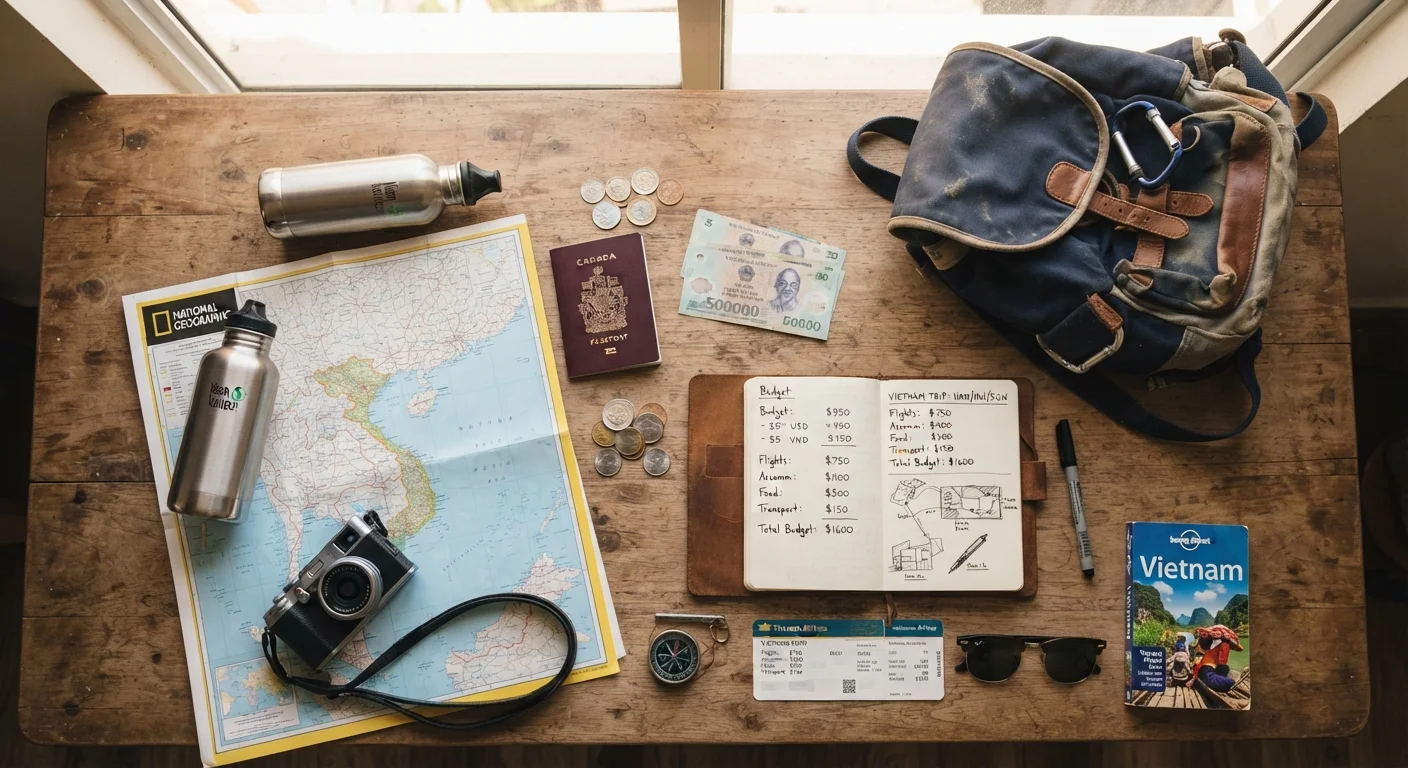
Choosing a Destination With Cost in Mind
Where you go determines a large share of what you'll spend — often more than any booking trick or daily habit can offset. Before researching flights or hotels, consider the overall cost structure of a destination: local currency strength relative to the US dollar, average meal and lodging prices, transportation infrastructure, and whether free or low-cost attractions exist in meaningful quantity.
Domestic destinations are frequently underestimated as affordable options. Road trips through regions like the American Southwest put national parks, dramatic landscapes, and rich history within reach without international airfare. For international travel, countries where the dollar stretches further — parts of Central America, Southeast Asia, or Eastern Europe — can deliver genuinely rich experiences at a fraction of comparable Western European costs.
Seasonality also shapes cost at the destination level. Traveling just outside peak season (sometimes called the "shoulder season") often means lower accommodation rates, fewer crowds, and more availability — without a dramatic drop in experience quality. Research typical weather patterns, local holidays, and school vacation windows for any destination before committing.
Before choosing a destination, look up the average daily traveler cost on independent travel forums and budget travel databases for that country — not just flight prices. Total daily cost is a more useful comparison number than airfare alone.
Airfare is visible and easy to compare, but ground costs (food, lodging, transport) often vary far more between destinations and determine whether a trip is actually affordable day to day.
Set your accommodation budget first, then work backward to see what's left for everything else. Lodging is usually the largest daily fixed cost and the hardest to cut mid-trip once booked.
Travelers who lock in accommodation costs early gain a clear picture of what's available for food, activities, and transport — reducing the chance of structural budget misalignment.
Building a Realistic Pre-Trip Budget
A travel budget that actually works starts well before you open a booking site. The core categories to estimate are: transportation to and from the destination, local ground transportation, accommodation, food and drink, activities and entrance fees, travel insurance, and a contingency buffer of roughly 10–15% of your total estimate.
Most travelers underestimate food and incidental costs. If you plan to eat out for every meal, those costs accumulate quickly. Budget travelers who build in even a few self-catered meals — using a hostel kitchen, a vacation rental, or a picnic from a local market — can meaningfully reduce daily spend without sacrificing experience. Our guide to estimating what a trip will actually cost walks through each cost category in practical detail.
Write your budget down in a simple document or spreadsheet before booking anything. This gives you a reference point for every subsequent decision and makes trade-offs visible — if you choose a pricier hotel, you can see immediately what that means for your activity or food budget.
Build Your Budget Before You Browse Flights
Opening a flight search before you have a written budget invites anchor bias — you start mentally committing to prices you see before knowing whether they fit your overall picture. Draft your full estimated budget first, then evaluate flights against it. This sequence keeps your total cost in view rather than letting airfare dominate the decision.
Booking Flights and Accommodation Strategically
Timing and flexibility are the two most reliable factors in securing lower prices on flights. Research consistently points to booking domestic flights roughly one to three months in advance, and international flights three to six months out, as windows associated with competitive fares — though these are general patterns, not guarantees. Flying midweek, choosing early morning departures, and being open to one-stop itineraries can all reduce costs compared to peak weekend flights.
For accommodation, think beyond hotels. Hostels (including private room options), short-term rental platforms, guesthouses, and even house-swapping arrangements can all provide significant savings. Hostels in particular have evolved — many now offer private rooms, lockers, and communal kitchens that make them practical for travelers well beyond the backpacker demographic.
Loyalty programs can add genuine value for frequent travelers, but chasing points or status for its own sake rarely makes sense for occasional travelers. Focus on the actual price and terms of what you're booking rather than perceived rewards. Always read cancellation policies carefully — a marginally lower rate that's fully non-refundable may cost more if your plans shift. See planning steps experienced travelers never skip for additional pre-booking considerations.
Managing Daily Spending on the Road
Once you're traveling, your daily habits determine whether your budget holds. The most effective approach is to set a daily spending target for variable costs (food, local transport, activities, incidentals) and check your actual spending against it each evening. This takes about two minutes and gives you early warning before a pattern of small overruns compounds into a problem.
Use local markets, street food stalls, and neighborhood restaurants rather than tourist-zone dining wherever safely possible. In many destinations, the most memorable meals come from places locals actually eat — and the prices reflect it. For transportation, public transit almost always undercuts taxis and ride-shares substantially; in many cities, a transit day pass pays for itself quickly.
Activities are where intentional spending matters most. Free and low-cost options — public parks, museum free days, walking tours, local festivals, hiking trails — exist in almost every destination and often deliver experiences that rival expensive ticketed attractions. Prioritize the two or three paid experiences that genuinely matter to you, and fill remaining time with lower-cost alternatives.
The habits that separate travelers who stretch a budget from those who blow it come down to consistency, not deprivation.
10–15%
Recommended contingency buffer for travel budgets
A contingency reserve of this size is widely recommended by travel planners to absorb unexpected costs without derailing the overall trip budget.
3–6 months
General advance booking window for international flights
Travel industry research generally identifies this range as associated with competitive international airfare, though it varies by route and season.
~50%
Potential meal cost savings using local markets vs. tourist restaurants
In many popular destinations, eating where locals eat — markets, street stalls, neighborhood spots — can reduce per-meal costs by roughly half compared to tourist-district dining.
Avoiding the Traps That Blow Travel Budgets
Even well-planned trips go over budget — usually because of predictable, avoidable patterns. Airport food and drinks represent some of the highest markups travelers encounter; eating before you arrive and carrying a refillable bottle sidesteps most of that. Currency exchange kiosks at airports typically offer poor rates; using a bank ATM at your destination or a no-foreign-transaction-fee card is generally more efficient.
Souvenir shopping is another area where budgets quietly erode. Setting a firm dollar limit for souvenirs before you travel — and sticking to it — prevents the accumulation of purchases that feel small individually but add up substantially. Similarly, booking tours or activities on impulse through hotel concierge desks often means paying a premium; researching and booking directly in advance usually reduces cost.
Travel insurance is sometimes viewed as an unnecessary expense, but for trips involving significant upfront costs — non-refundable flights, cruise bookings, international itineraries — it functions as genuine financial protection. Understand what a policy covers and excludes before purchasing; terms vary considerably. This is general information, not advice tailored to your specific situation — consult policy documents and a licensed professional for guidance relevant to your circumstances.
Putting It All Together
Budget travel isn't a single tactic — it's a sequence of decisions made at every stage, from destination selection through daily spending. The travelers who consistently manage costs well aren't necessarily the ones who sacrifice comfort; they're the ones who make deliberate choices at each step rather than reactive ones.
If you're new to planning independent trips, the complete walkthrough for first-time independent travelers provides a structured starting point. For a broader view of the full planning process, the anatomy of a well-planned trip outlines how each phase connects. And if you're traveling with others, coordinating budgets early is essential — group trip planning strategies can help everyone stay aligned.
The framework is straightforward: choose a destination your budget can support, estimate costs honestly before booking, book with flexibility and timing in mind, track daily spending actively, and protect against the most common budget pitfalls. Applied consistently, these steps make affordable travel genuinely achievable — not as a compromise, but as a skill.
This article is for general informational purposes only. Travel prices, policies, and conditions change frequently; verify current details with official sources and service providers before booking.
The content on this site is for informational purposes only and is not a substitute for professional advice. Always consult a qualified professional for guidance specific to your situation.