

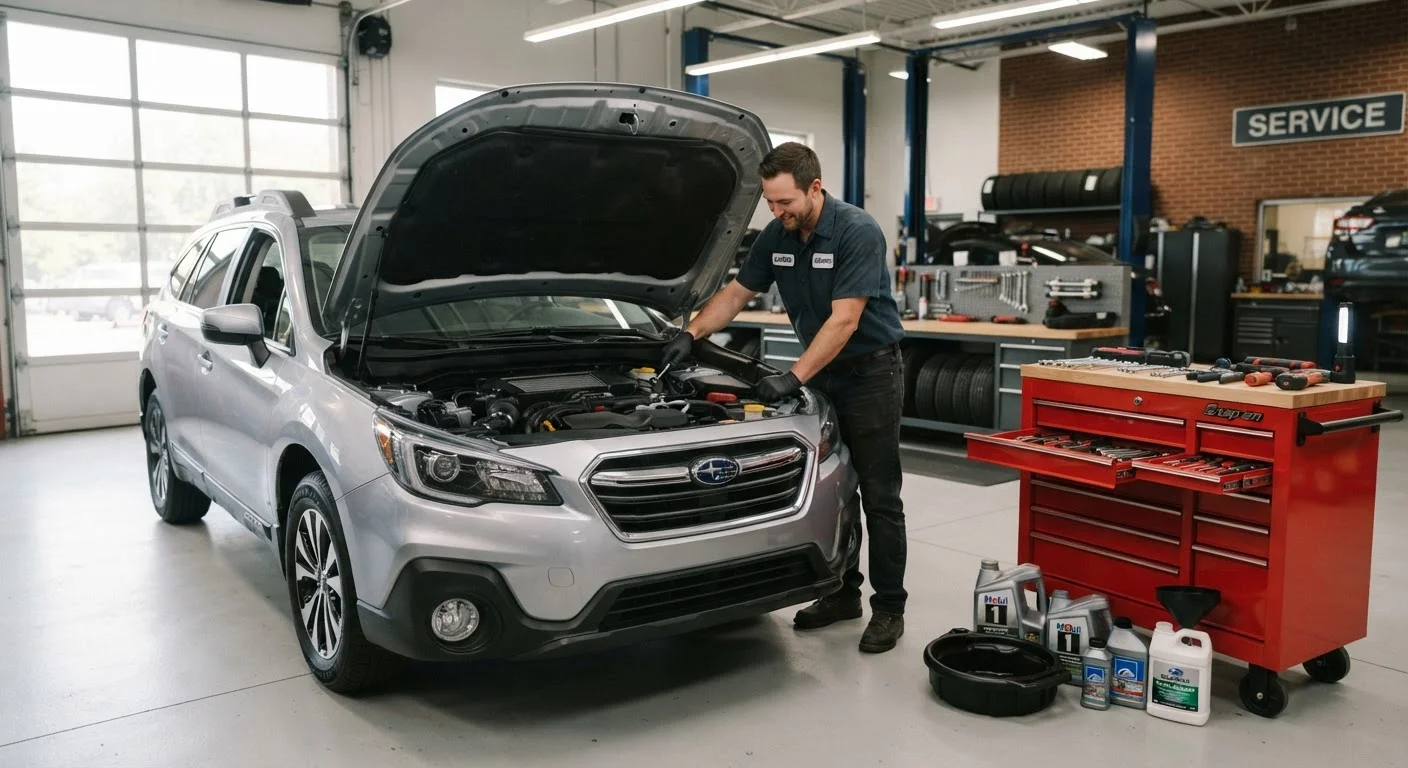
Why Routine Maintenance Matters
A car is one of the most complex machines most people own — and one of the most expensive to repair when things go wrong. Routine maintenance exists to catch small problems before they become serious ones. An ignored oil change, a worn belt, or low brake fluid can all escalate into repairs that cost far more than the service that could have prevented them.
Beyond cost, maintenance is a safety issue. Components like tires and brakes affect your ability to control the vehicle in an emergency. Keeping them in good shape isn't just smart ownership — it's responsible driving. Whether you handle tasks yourself or take your car to a shop, knowing what needs attention and when puts you in a much stronger position as a vehicle owner.
When to See a Qualified Mechanic
While many checks — fluids, tire pressure, visual inspections — are safe for drivers to handle themselves, tasks involving the brake system, timing components, electrical systems, or anything underneath a raised vehicle should be performed by a qualified mechanic. Improper repairs can create safety hazards and may void warranty coverage. When in doubt, bring it to a professional.
Fluids: The Lifeblood of Your Vehicle
Your car relies on multiple fluids to function — and most of them can be checked at home in minutes. The key ones to monitor include:
- Engine oil: Lubricates moving parts and prevents engine wear. Check it monthly using the dipstick, and change it according to your owner's manual — typically every 5,000 to 7,500 miles for conventional oil, or up to 10,000+ miles for full synthetic.
- Coolant (antifreeze): Prevents the engine from overheating in summer and freezing in winter. Check the reservoir level when the engine is cold.
- Brake fluid: Hydraulic fluid that transfers force from your pedal to your brakes. Low or dark fluid can signal a leak or that it's due for a flush.
- Transmission fluid: Keeps gears shifting smoothly. Some vehicles have sealed transmissions — check your manual to know what applies to yours.
- Power steering fluid and windshield washer fluid round out the list of reservoirs worth a regular look.
For a step-by-step walkthrough of each check, see our guide to fluid checks every driver should know.
Keep a simple maintenance log in your glove box — jot down the date, mileage, and what was done each time you have service performed. This record is invaluable if you ever sell the vehicle or need to dispute a warranty claim.
Documented service history gives buyers and dealerships confidence in a vehicle's upkeep and can directly affect resale value and warranty coverage decisions.
When in doubt about whether a noise or warning light can wait, don't wait. A quick inspection by a qualified mechanic almost always costs far less than diagnosing a problem that's been running unchecked for thousands of miles.
Many expensive repairs — seized brakes, blown head gaskets, failed transmissions — trace back to an early warning sign that was deferred too long.
Tires, Brakes, and Safety-Critical Systems
Tires and brakes are where maintenance connects most directly to safety. Here's what to watch:
Tires
Check tire pressure at least once a month — tires naturally lose about 1 PSI per month, and pressure drops further in cold weather. The correct pressure is listed on the sticker inside your driver's door, not on the tire sidewall. Low pressure causes uneven wear and reduces fuel efficiency. Use a tread depth gauge or the penny test (insert a penny into the tread; if Lincoln's head is fully visible, it's time for new tires) to monitor wear. Also rotate your tires every 5,000 to 8,000 miles to promote even wear across all four.
Brakes
Squealing or grinding sounds, a vibrating pedal, or longer stopping distances are all warning signs. Brake pads typically last 25,000 to 65,000 miles depending on driving habits and pad material. Have a qualified mechanic inspect your brakes at least once a year — this is not a task to defer. For more on road safety habits, visit our Driver Safety & Rules hub.
Filters, Belts, and the Parts You Forget About
Several components do critical work without drawing much attention — until they fail.
- Engine air filter: A clogged filter restricts airflow and can reduce fuel economy. Most manufacturers recommend replacement every 15,000 to 30,000 miles, though driving in dusty conditions shortens that interval.
- Cabin air filter: Keeps the air inside your car clean. Replace it roughly every 15,000 to 25,000 miles, or when airflow from your vents noticeably weakens.
- Timing belt or timing chain: The timing belt is one of the most important — and most overlooked — components in an engine. If it breaks, the engine can sustain serious damage. Consult your owner's manual for the replacement interval, which commonly falls between 60,000 and 100,000 miles for belts.
- Serpentine belt: Drives accessories like the alternator and power steering pump. Cracks or fraying mean it's time for replacement.
- Spark plugs: Worn plugs cause misfires and reduced fuel economy. Standard plugs often need replacement around 30,000 miles; iridium or platinum plugs can last much longer.
Don't Ignore the Timing Belt Interval
Unlike many wear items that give obvious warning signs, a timing belt often fails without notice. If yours is past its recommended replacement mileage, have it inspected promptly. A broken timing belt can cause severe internal engine damage — a repair that can cost thousands of dollars — that is entirely avoidable with timely replacement.
Following Your Maintenance Schedule
Your owner's manual contains the definitive maintenance schedule for your specific vehicle — model, engine, and driving conditions all factor in. Many manuals include two schedules: one for normal driving and one for severe service (frequent short trips, extreme temperatures, towing, or stop-and-go traffic). Many American drivers qualify for the severe schedule without realizing it.
For a plain-English breakdown of what each service interval actually means, see Your Car's Maintenance Schedule, Decoded. Most modern vehicles also have a dashboard maintenance reminder system — use it as a prompt, but don't rely on it exclusively. Cross-reference with your manual and keep a simple log of what's been done and when.
~$400
Average annual vehicle maintenance and repair cost
According to AAA's annual Your Driving Costs study, routine maintenance and unexpected repairs together average several hundred dollars per year for a typical passenger vehicle.
5,000–7,500 mi
Typical oil change interval for conventional oil
Most automakers and industry guidelines recommend this range for conventional motor oil under normal driving conditions; full synthetic can often extend this interval further.
1 PSI/month
Typical natural tire pressure loss rate
Tires lose roughly 1 PSI per month naturally, and an additional 1 PSI for every 10°F drop in ambient temperature, per industry tire safety guidance.
Maintenance and Your Ownership Costs
Skipping maintenance might feel like a short-term saving, but deferred service consistently leads to larger repair bills. A simple oil change costs a fraction of what an engine replacement or a seized component requires. Thinking of maintenance as an investment — not an expense — shifts the calculus considerably.
Routine upkeep also helps preserve resale value. A vehicle with documented service history is more attractive to buyers and can command a better price. To understand how maintenance fits into the full picture of what you spend, explore the true cost of owning a car beyond the monthly payment, and check the annual car ownership cost checklist to plan for what's coming each year. For strategies to keep those costs under control over time, see keeping car costs manageable over the life of a vehicle.
The bottom line: consistent, informed maintenance keeps your car running longer, keeps you safer, and keeps more money in your pocket over the life of your vehicle.
The content on this site is for informational purposes only and is not a substitute for professional advice. Always consult a qualified professional for guidance specific to your situation.