

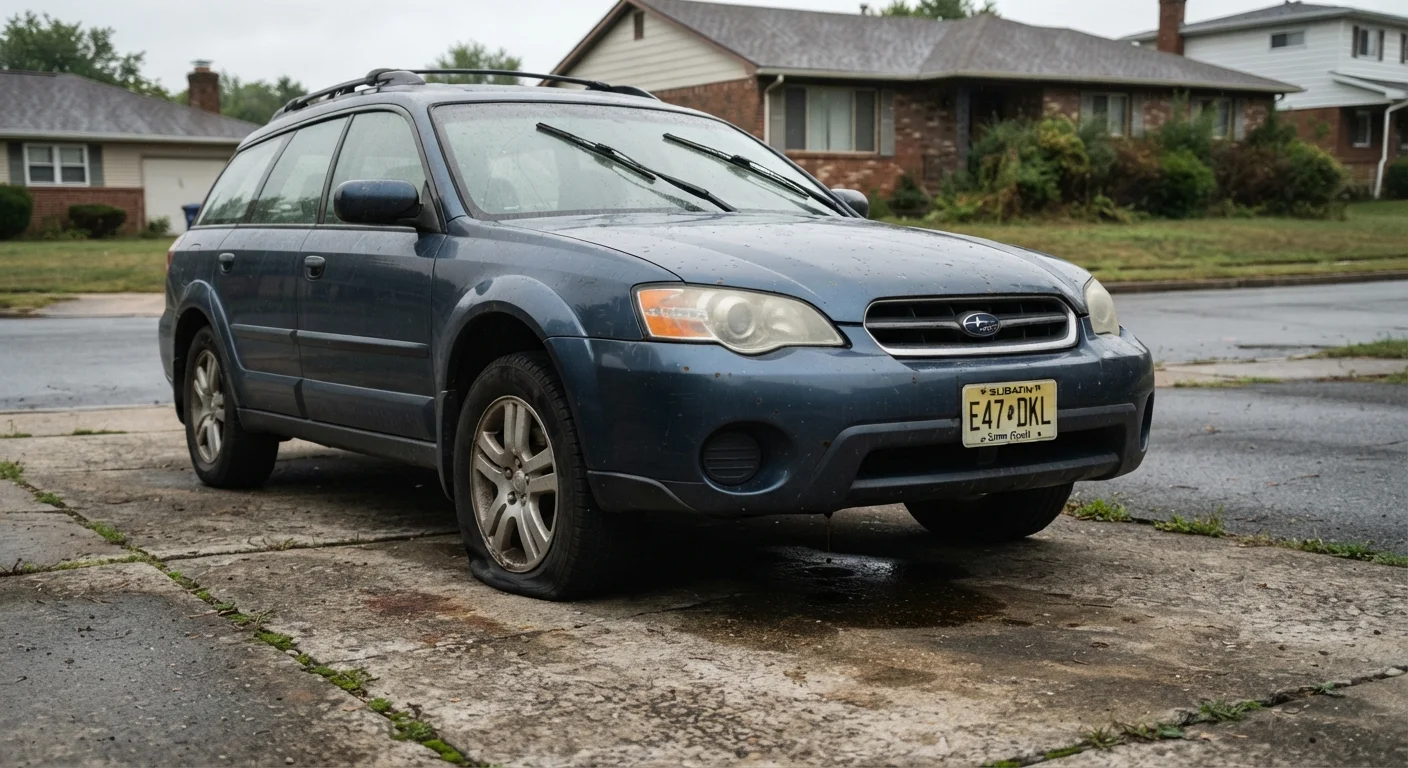
The True Cost of Waiting
When something small goes wrong with your car — a slow tire leak, a slightly rough idle, a wiper blade that streaks — it's tempting to add it to a mental list and move on. Life is busy, the car still drives, and repair shops aren't always cheap or convenient. But deferred maintenance has a compounding effect that most drivers underestimate until they're staring at a repair estimate that's several times what the original fix would have cost.
Understanding why small problems grow is the first step to stopping them. Most vehicle systems are interdependent. A worn belt can strain a tensioner. A slow coolant leak can lead to overheating, which can warp a cylinder head. What starts as a $30 part becomes a $1,500 job. The math is rarely in favor of waiting.
If you're trying to manage vehicle costs over the long haul, staying ahead of small repairs is one of the most practical tools available to you.
$1,200+
Average cost of an engine overheating repair
Overheating often results from ignored cooling system issues like low coolant or a failing thermostat that would have cost far less to address early.
77%
Of vehicles found to need service or repairs
According to the Car Care Council's periodic vehicle inspection programs, roughly three in four cars inspected have at least one maintenance item that needs attention.
Common Mistakes That Let Small Problems Grow
Most of these situations don't come from carelessness — they come from not knowing what to watch for, or assuming a minor symptom isn't worth acting on yet. Here are the mistakes that most often turn manageable issues into major repairs.
Ignoring warning lights until the car "seems fine."
Why it happens: Modern cars have so many dashboard indicators that drivers sometimes become desensitized, especially when the vehicle keeps running normally after a light appears.
Letting a slow fluid leak continue without identifying the source.
Why it happens: A small drip under the car can seem trivial, especially if topping off the fluid keeps things running. It feels like a solution when it's actually just delay.
Skipping tire pressure checks until a tire looks visibly flat.
Why it happens: Tires lose pressure gradually and modern vehicles can look fine even when they're significantly underinflated. It's easy to visually misjudge.
Replacing only one worn component when a paired part is equally stressed.
Why it happens: Drivers often replace only the part that visibly failed — one wiper blade, one brake pad — without considering that the paired component has the same wear history.
Dismissing unfamiliar noises as "just the way the car sounds now."
Why it happens: Sounds develop gradually, making them easy to normalize. Drivers who spend a lot of time in their vehicle often adapt to new noises without registering them as warnings.
Building a Simple Inspection Habit
You don't need to be a mechanic to catch problems early. A five-minute walk-around once a week — checking tire pressure visually, looking for fluid spots under the car, noting any new sounds or smells — catches a surprising number of issues before they escalate. Your vehicle's owner's manual also outlines a maintenance schedule specific to your make and model; treating it as a checklist rather than optional reading pays off over time.
When something does seem off and you're unsure whether to handle it yourself or take it in, our guide to DIY vs. shop repairs can help you decide where the line sits. And once you're at the shop, getting the most out of that visit helps you ask the right questions and understand what you're being told.
Some Delays Are Genuinely Dangerous
Not all deferred maintenance carries equal risk — but some items involve safety systems that protect you and other drivers. Worn brake pads, compromised tires, cracked windshields that obscure visibility, and failing lights are not just mechanical inconveniences. If any of these are on your list, prioritize them before anything else.
New to car ownership? Some of the costs associated with deferred maintenance — including surprise repair bills — show up in a broader look at hidden car ownership expenses that catch people off guard.
The content on this site is for informational purposes only and is not a substitute for professional advice. Always consult a qualified professional for guidance specific to your situation.