

The Data Pipeline Starts Well Before Checkout
Most shoppers think of a retail transaction as a single moment — you pick something up, pay, and leave. But from a data perspective, that moment is often the end of a much longer process of observation. Retailers build profiles on customers through multiple channels, and by the time you walk through the door, they may already have a working picture of your habits.
The most common data sources include:
- Website and app activity: Browsing history, search queries, items added to a cart but not purchased, and time spent on product pages are all typically tracked via cookies and app analytics.
- Loyalty account records: Every purchase tied to a rewards card or account is logged, creating a detailed history of what you buy, how often, and at what price points.
- Email engagement: Whether you open a promotional email, click a link, or ignore it entirely feeds back into how a retailer segments and targets you going forward.
- Third-party data brokers: Retailers can purchase supplemental data about consumers — such as general household income ranges or life-stage signals — from external data companies.
Understanding what loyalty programs offer retailers helps explain why signing up for a rewards card is rarely just about points.
87%
U.S. adults with at least one loyalty program membership
According to research published by KPMG on retail consumer loyalty trends, the vast majority of American adults participate in at least one retail rewards program, making loyalty accounts a primary data collection channel.
3rd party
Data brokers supplement retailer profiles
Many major retailers supplement internally collected data with consumer information purchased from third-party data brokers, which can include demographic and lifestyle attributes not captured through direct retail interactions.
70%+
Cart abandonment rate in e-commerce
Industry analyses from sources including Baymard Institute estimate that more than 70% of online shopping carts are abandoned — data retailers routinely use to trigger follow-up email and retargeting campaigns.
In-Store Tracking: What Happens Once You Arrive
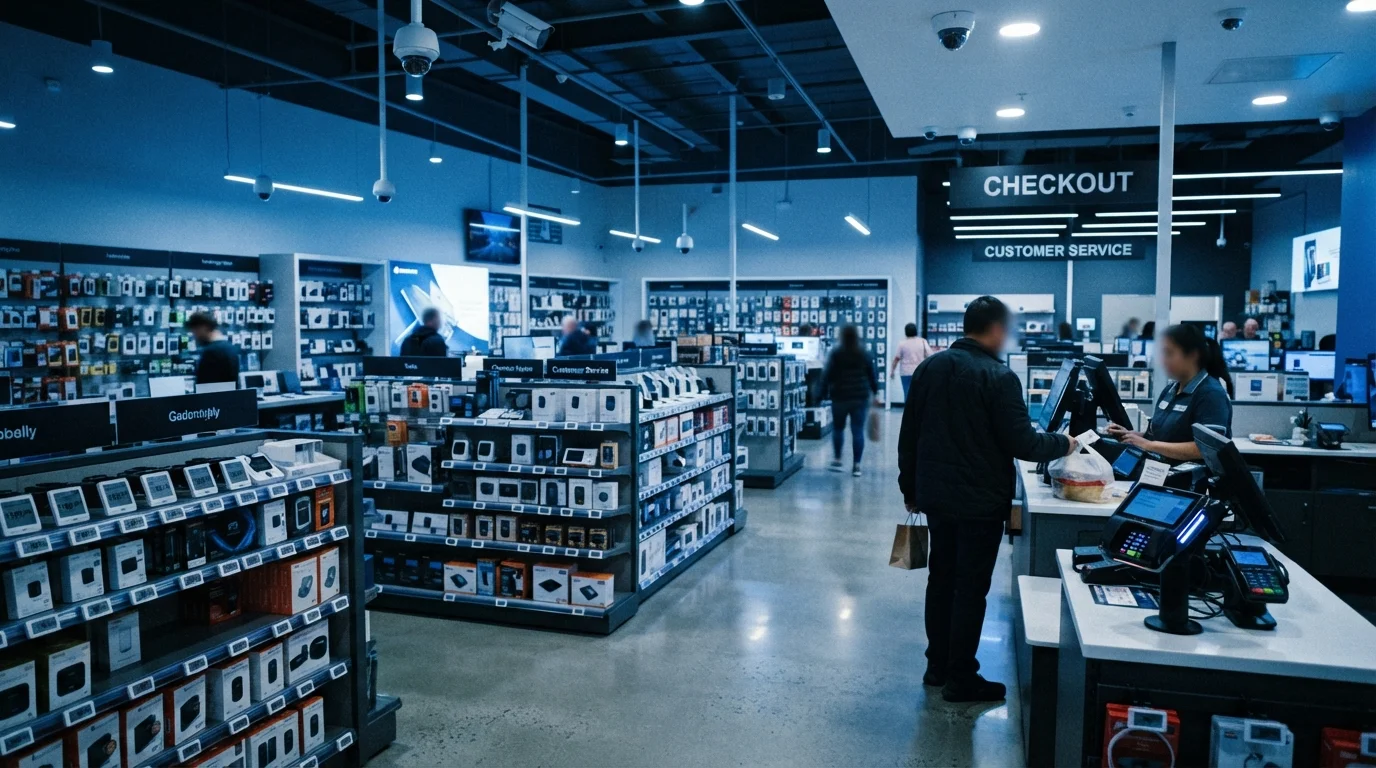
Physical stores aren't passive environments. A range of technologies can monitor foot traffic, dwell time in specific aisles, and — when tied to a mobile device — individual movement patterns throughout a store.
Common in-store data tools include:
- Bluetooth beacons: Small devices placed throughout a store that communicate with retailer apps on nearby phones, sometimes triggering location-specific notifications or offers.
- Wi-Fi signal tracking: Stores can use the signals emitted by any Wi-Fi-enabled device to monitor aggregate foot traffic patterns, even if you don't connect to their network.
- Point-of-sale data: Each transaction, whether paid by card or cash linked to a loyalty ID, adds to a purchase history that informs future offers and shelf-stocking decisions.
- Camera analytics: Some retailers use overhead camera systems to analyze shopper flow and product interaction — typically at an aggregate level rather than identifying individuals.
This in-store layer connects with the digital data already collected, allowing a retailer to correlate what you browsed online with what you actually purchased. The result is a more complete behavioral picture. For a broader look at how physical store design ties into these behavioral goals, see how store layout is built to guide spending.
Review App Permissions Before You Shop
Before downloading a retailer's app, check what permissions it requests — particularly location access. Many apps function without continuous location tracking enabled. Setting location permission to 'only while using the app' rather than 'always' limits passive data collection without eliminating app functionality.
How Retailers Use This Data — and What It Means for You
Collected data doesn't just sit in a database. Retailers apply it to make decisions that directly affect what you see, what you're offered, and sometimes what price you encounter.
Personalized promotions: Coupons and app-based offers are increasingly generated from your own purchase history. If you've bought a specific category of products multiple times, expect targeted discounts in that area — often timed to when you're statistically likely to buy again.
Dynamic pricing signals: While outright personalized pricing (charging one customer more than another for the same item) is still relatively uncommon in traditional retail, online retailers do vary prices based on demand, time of day, and browsing behavior. Understanding this can inform when and how you shop online.
Inventory and placement decisions: Aggregate purchase data shapes which products a store stocks and where. Items that move quickly in a particular location get prominent placement; slower sellers may be repositioned or discontinued. This connects directly to practices like the eye-level shelf placement rule.
Cross-sell and upsell targeting: Retailers use purchase patterns to anticipate what complementary products you might buy. If your history suggests a pattern, expect those suggestions to appear in your email, app, and sometimes in-aisle signage. See how bundling and upselling tactics work for more context.
As a shopper, knowing that these systems exist isn't a reason for alarm — it's a reason to be a more deliberate buyer. A pre-trip checklist and awareness of personalization tactics can help you stay focused on what you actually need rather than what a retailer's algorithm predicts you'll buy.
Frequently Asked Questions
Yes. Retailers can collect data through their websites, mobile apps, email interactions, and third-party data brokers before you ever walk in. If you've browsed a retailer's site or used their app, that activity is typically logged and may influence the offers you receive.
Loyalty programs typically collect your purchase history, frequency of visits, average spend, product category preferences, and sometimes demographic information provided at sign-up. This data helps retailers build a detailed profile of your shopping behavior. For more on what stores gain from these programs, see <a href="/smart-shopping/retail-know-how/loyalty-programs-what-stores-get-out-of-the-deal">how loyalty programs benefit retailers</a>.
Some retailers use technologies like Wi-Fi signals, Bluetooth beacons, or in-store cameras to track foot traffic and general movement patterns inside stores. Whether your individual device is tracked depends on your phone settings and whether you've enabled location permissions for the retailer's app.
Generally, yes — retailers are largely permitted to offer different prices or promotions to different customers based on their data profiles, provided this doesn't violate anti-discrimination laws. Some states are beginning to regulate certain forms of dynamic and personalized pricing more closely.
You can review and adjust privacy settings in retailer apps, decline loyalty program sign-ups, clear cookies on retailer websites, and opt out of personalized advertising where that option is offered. Reading a retailer's privacy policy outlines what data is collected and whether you can request its deletion.
Many retailers share or sell anonymized or aggregated customer data with third-party partners, including advertisers and data brokers. Some also share data with affiliated brands. The specifics are outlined in each retailer's privacy policy, which is worth reviewing before joining any loyalty program.
The content on this site is for informational purposes only and is not a substitute for professional advice. Always consult a qualified professional for guidance specific to your situation.