

Why Shelf Position Is a Paid Arrangement
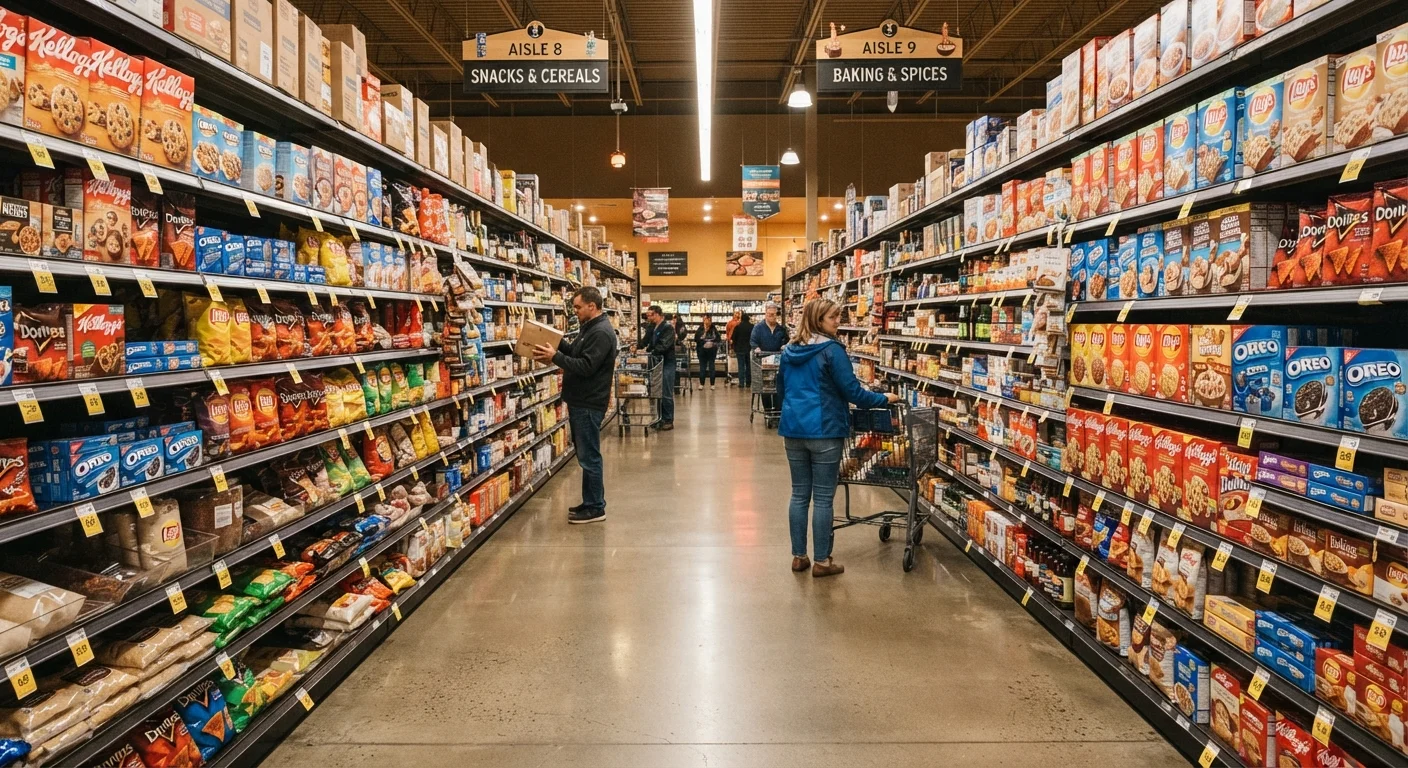
Walk into any grocery or big-box store and the shelves look like organized abundance. What they actually are is a monetized landscape. The most prominent positions — particularly the band between roughly shoulder height and waist height — are sold to manufacturers. The technical term is a slotting fee: a payment a brand makes to a retailer in exchange for shelf space, often in a specific aisle, at a specific height.
The logic is straightforward. Shopper eye-tracking research consistently shows that consumers fixate on eye-level products within seconds of entering an aisle, and their hands follow their eyes. Retailers know this, manufacturers know this, and the pricing of shelf real estate reflects it. This arrangement is standard across grocery, pharmacy, and general merchandise chains across the United States.
Understanding this dynamic changes how you interpret a store shelf. Placement is not a signal of quality, popularity, or value — it is a signal of marketing budget. See our full breakdown of how store layout is engineered for the broader picture.
Slotting Fees Are Legal and Common
Slotting fees are a standard, legal part of how the US retail supply chain works. They are not a hidden or deceptive practice — they're a normal trade relationship between manufacturers and retailers. What matters for shoppers is understanding that placement reflects commercial negotiation, not an objective ranking of product quality or value.
The Zones of a Store Shelf
Retail analysts typically divide shelving into four horizontal zones:
- Eye level (roughly 4–5 feet): The premium zone. National brand leaders and high-margin products dominate here.
- Grab level (roughly 3–4 feet): Strong secondary placement, often used for complementary or impulse products.
- Stoop level (below 3 feet): Budget options, store brands, and bulk-pack sizes tend to land here.
- Top shelf (above 5 feet): Overflow stock, specialty items, or very large package sizes that require effort to retrieve.
There is one important exception: children's products. Cereals marketed to kids, snacks, and toys are often placed at a child's eye level — roughly 2 to 3 feet from the floor — rather than an adult's. The strategy targets pester power, the well-documented tendency for children to influence a parent's purchasing decision when they spot something themselves.
Knowing these zones means you can reverse-engineer the shelf. When you see a recognizable brand front-and-center at eye level, ask: what's below it? The answer is frequently a store-brand equivalent or a value-size alternative that didn't buy its way to prominence. Loss leader pricing works alongside shelf placement as another tool retailers use to shape what ends up in your cart.
~70%
In-store purchase decisions made at the shelf
Research cited by the Point of Purchase Advertising International (POPAI) has long estimated that the majority of supermarket purchase decisions are made while shoppers are already in the store, underscoring the outsized role of shelf visibility.
2–5x
Sales lift from eye-level vs. bottom-shelf placement
Retail industry studies have documented that moving a product from a low shelf to eye level can multiply unit sales by a factor of two to five, depending on category and store type — which explains why slotting fees for those positions can be significant.
$9B+
Estimated annual US slotting fee market
Industry analysts have estimated the total value of slotting and trade promotion fees paid by consumer goods manufacturers to US retailers runs into the tens of billions annually, with slotting fees alone representing a substantial portion of that spend.
How to Shop Around the Eye-Level Trap
The most practical response to understanding the eye-level rule is a simple habit: pause before you reach. Scan the entire shelf from top to bottom, compare unit prices rather than package prices, and treat any product's shelf position as commercially neutral information.
A few concrete approaches:
- Use the unit price tag. Most US retailers are required to display a unit price (per ounce, per count, etc.) on the shelf label. This number cuts through packaging differences and lets you compare across all shelf zones directly.
- Default to checking the bottom shelf. Store-brand and value options are disproportionately concentrated at stoop level. They're often made by the same contract manufacturers that produce name-brand equivalents.
- Don't confuse scarcity with demand. A nearly empty shelf section looks like proof of popularity, but it may simply reflect a smaller initial stock allocation, not higher consumer preference.
Shopping deliberately around shelf placement is one of a broader set of habits covered in our comprehensive guide to value-focused buying. Small adjustments in how you navigate an aisle consistently add up across a full grocery run. The shelf is designed to move your hand before your mind engages — slowing down that reflex is where the opportunity sits.
Make the Bottom Shelf Your First Look
Before grabbing the product at eye level, bend down and check the bottom shelf for the same or similar item. Store-brand products shelved lower often offer comparable quality at a lower unit price. This single habit, repeated consistently, can trim a meaningful amount from a weekly grocery bill over time.
Frequently Asked Questions
Brands pay retailers slotting fees for premium shelf placement. Eye-level shelves generate the highest sales volume because shoppers tend to grab what they see first without scanning the full shelf. It's a deliberate commercial arrangement, not a reflection of product quality or value.
Not necessarily. Lower shelves frequently stock store-brand equivalents and value-tier options that didn't pay for premium placement. The position reflects a commercial negotiation, not a quality ranking. Checking lower and higher shelves often uncovers comparable products at lower prices.
Slotting fees are charges manufacturers pay retailers in exchange for shelf space, particularly in high-traffic or eye-level positions. They are a standard part of the grocery and consumer goods industry. Smaller or newer brands often can't afford them, which is why their products appear in less prominent spots.
Yes. In e-commerce, the equivalent is sponsored or featured product placement at the top of search results. Brands pay for those positions just as they pay for prime shelf space in physical stores. The mechanic is nearly identical — paid visibility drives higher click-through and purchase rates.
Make a habit of scanning the full shelf — top to bottom — before reaching for the first product you see at eye level. Compare unit prices (price per ounce, count, or pound), check store-brand alternatives on lower shelves, and don't treat placement as a signal of superiority.
The content on this site is for informational purposes only and is not a substitute for professional advice. Always consult a qualified professional for guidance specific to your situation.