

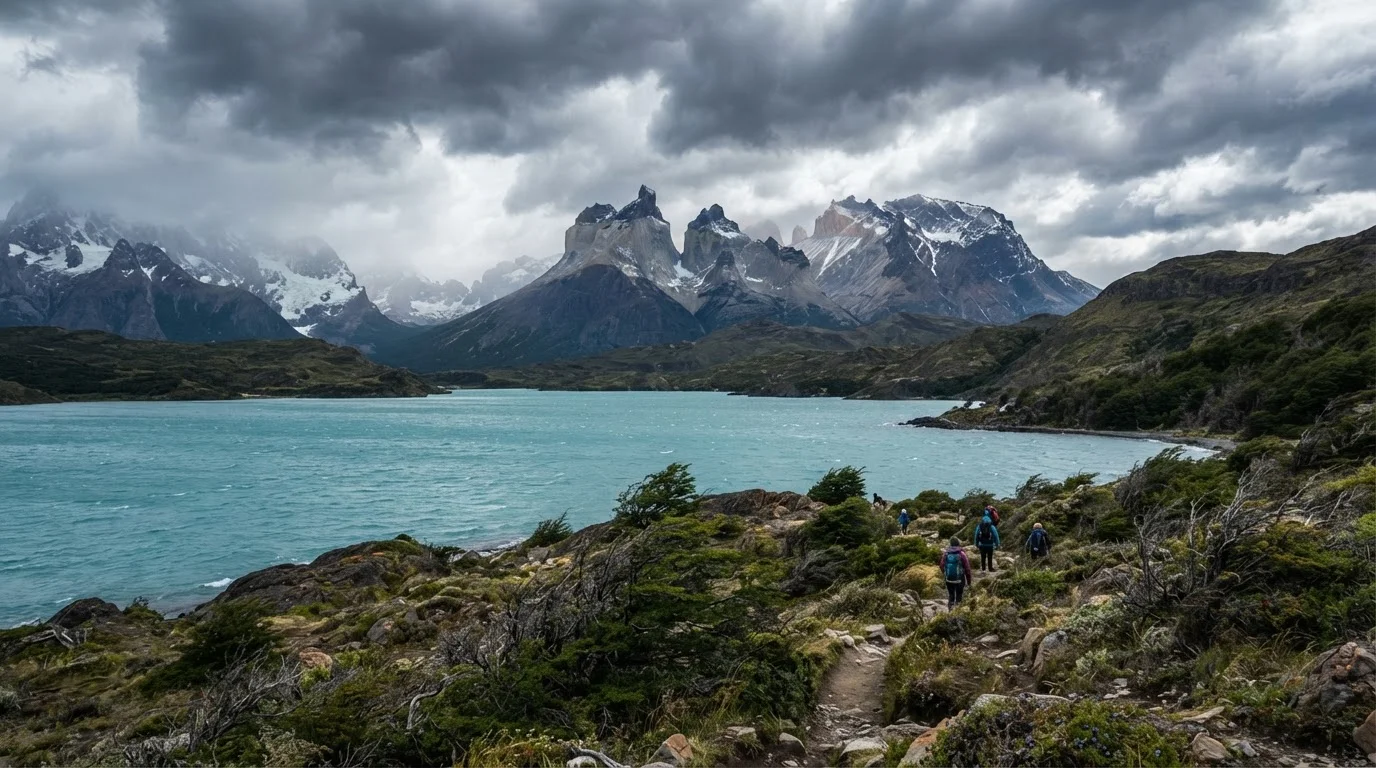
Our Verdict
Patagonia delivers some of the most extraordinary scenery on Earth, but it demands real preparation and a tolerance for unpredictability. Travelers who arrive expecting a polished tourist experience will likely be frustrated; those who embrace the logistics as part of the adventure tend to come away with experiences they won't forget.
Best suited to experienced independent travelers, outdoor enthusiasts, and anyone willing to invest significant planning time for a genuinely remote destination.
What Patagonia Actually Is
Patagonia is not a country or a single park — it's a vast region straddling the southern tip of Chile and Argentina, covering roughly 400,000 square miles. It includes glaciers, steppe, dense forests, fjords, and some of the most wind-battered terrain on the planet. Major hubs on the Chilean side include Punta Arenas and Puerto Natales (gateway to Torres del Paine National Park); on the Argentine side, El Calafate and El Chaltén anchor most itineraries.
Most American travelers fly into either Santiago, Chile or Buenos Aires, Argentina, then connect south — a journey that often takes a full day each way. Crossing between the two countries within the region is common and generally straightforward, but it adds visa, currency, and border-crossing considerations to your planning. If you're new to building complex itineraries, the complete walkthrough for first-time independent travelers covers the foundational steps worth reviewing before diving into Patagonia-specific logistics.
The Honest Pros
For travelers who can handle the demands, Patagonia offers an experience that's genuinely hard to match anywhere in the Americas.
Scenery that is genuinely world-class
The granite towers, Perito Moreno Glacier, and Patagonian steppe represent landscapes found nowhere else. Travelers consistently describe it as exceeding expectations even for those who have seen iconic destinations elsewhere.
Relatively low tourist infrastructure density
Compared to heavily commercialized destinations, Patagonia still feels wild. Even in peak season, venturing slightly off the most trafficked routes delivers a sense of genuine remoteness.
Outstanding trekking and outdoor range
Options span multi-day circuits for experienced backpackers to shorter day hikes suitable for casual walkers. The diversity of terrain means itineraries can be calibrated to fitness level.
Rich wildlife without safari-level cost
Guanacos, condors, Magellanic penguins, and southern right whales are accessible without specialized tours. Peninsula Valdés in Argentina, for example, offers exceptional wildlife viewing at relatively modest cost.
Dual-country itineraries add real variety
Combining Chilean fjords with Argentine steppe and glaciers within one trip delivers a breadth of landscape that few single-country destinations can match.
The sheer scale of undeveloped wilderness means that even popular trails feel remote compared to national parks in the American Southwest. If you're considering how Patagonia stacks up against closer options, our overview of traveling the American Southwest highlights what that region does differently.
The Real Cons
Patagonia's challenges aren't minor inconveniences — they're structural features of the destination that shape every part of a trip.
Extreme weather and wind are unavoidable
Sustained winds of 60–80 mph are not unusual on exposed trails. Even in summer, conditions can shift from sunny to hail within hours, and some hiking days simply aren't safe to proceed.
Getting there takes serious time and money
Flights from major US cities to gateway cities like Punta Arenas or El Calafate typically involve at least one connection and 14–20+ hours of travel. Round-trip airfare alone often represents a significant portion of the trip budget.
Advance booking is almost mandatory
Refugios, campsites, and ferries within popular parks require reservations months ahead during peak season. Arriving without bookings in November–January often means being turned away.
Limited connectivity and remote medical access
Cell service is absent across most of the region's backcountry. Medical facilities in major hubs are limited; serious emergencies may require evacuation, making comprehensive travel insurance a practical necessity.
Costs are higher than many South American destinations
Park entrance fees, transport between towns, gear rentals, and refugio accommodation add up quickly. Patagonia does not offer the budget-travel economics associated with other parts of Chile or Argentina.
Language barrier in remote areas
Outside major tourist hubs, English is rarely spoken. While Spanish fluency isn't required, basic conversational ability — or offline translation tools — makes day-to-day navigation significantly easier.
Currency and Payments in Patagonia
Argentina and Chile use separate currencies, and exchange rate conditions in Argentina have historically been complex. ATM availability is limited outside main towns, so carrying sufficient local currency before heading into remote areas is standard practice. Verify current currency conditions with your bank and recent traveler reports before departure, as policies and rates can shift.
Travelers who thrive on spontaneity may want to reconsider their approach here. The itinerary planning vs. spontaneous travel breakdown is worth reading before deciding how loosely to structure your days in Patagonia.
Seasons and Timing: A Practical Breakdown
Patagonia's weather is legendarily unpredictable, but seasons still matter for planning.
~17 mph
Average wind speed in Torres del Paine
Average sustained winds in the park frequently exceed this, with gusts capable of knocking hikers off their footing on exposed ridgelines.
3–6 months
Advance booking lead time recommended
Park authorities and travel advisors generally recommend securing refugio and campsite reservations three to six months before peak-season travel dates.
- November–February (Southern Hemisphere summer): Longest daylight hours, mildest temperatures, and the busiest crowds. Campsites and refugios at Torres del Paine fill weeks in advance. This is peak season for good reason, but expect company.
- March–April (shoulder/autumn): Fewer visitors, striking fall foliage on the Argentine side, and conditions that are still manageable for hiking. Many experienced travelers consider this the sweet spot.
- May–August (winter): Some trails and park facilities close. Certain glacier tours operate year-round, but winter travel is for those with serious cold-weather experience and flexibility.
Whatever season you choose, build buffer days into your schedule. Flight delays, trail closures due to wind, and ferry schedule changes are genuinely common. Understanding the anatomy of well-planned trips — including how to build in contingencies — is covered in our trip planning overview.
Solo Travel Considerations
Patagonia is a viable solo destination, but it requires more preparation than most. Trail registration systems, refugio reservations, and trekking permit requirements mean paperwork and lead time regardless of group size. On the social side, popular routes like the W Trek in Torres del Paine attract enough travelers that solo visitors rarely feel isolated on trail.
The harder solo challenge is logistics off-trail: car rental age restrictions vary, shared shuttles run on fixed schedules, and communication in remote areas is limited. Our honest look at solo travel addresses the broader trade-offs worth weighing before committing to going alone in a place this remote.
Travel conditions, entry requirements, park fees, and border regulations in Patagonia can change. Always verify current details with official government and park authority sources before travel.
The content on this site is for informational purposes only and is not a substitute for professional advice. Always consult a qualified professional for guidance specific to your situation.