

The Biology Behind the Label
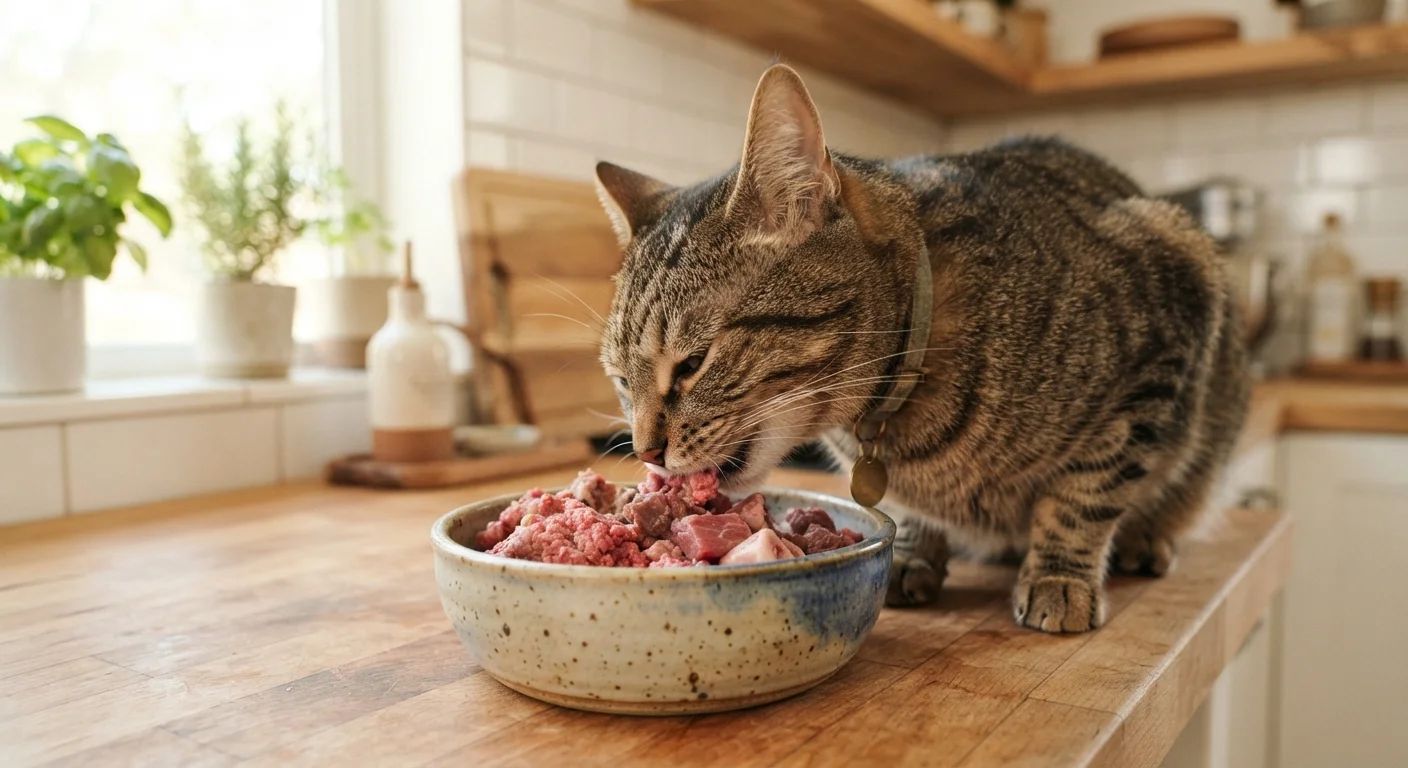
When a food package is marketed as suitable for cats, there's a quiet but profound biological contract behind those words. Cats are obligate carnivores — animals whose bodies are hard-wired to run on animal protein and fat. This isn't a lifestyle choice or a preference; it's the outcome of millions of years of evolution as solitary hunters.
Several metabolic facts set cats apart. First, cats have a persistently high demand for protein. Their livers maintain protein-breakdown (catabolic) enzymes at elevated levels all the time — even during fasting — meaning they continue breaking down protein whether or not enough is coming in through food. Second, cats cannot convert beta-carotene (found in plants) into vitamin A the way dogs and humans can. They require preformed vitamin A, which exists only in animal tissue such as liver. Third, cats cannot synthesize adequate amounts of taurine, an amino acid essential for heart function and vision, from other dietary precursors. It must come from meat.
There is also the matter of arachidonic acid, a fatty acid cats cannot produce in sufficient quantities from linoleic acid the way omnivores can. Animal fat is the reliable source. Taken together, these dependencies mean a diet built primarily on plants — however nutritionally complete it may be for a human or even a dog — will leave critical gaps for a cat.
Cats and Dogs Have Very Different Nutritional Needs
It's a common mistake to assume cats and dogs have similar dietary requirements because both are common household pets. Dogs are omnivores and can extract adequate nutrition from a wider range of food sources, including plant matter. Cats cannot. Never feed a cat food formulated only for dogs on an ongoing basis — it will not meet feline nutritional requirements.
What This Means When You're Choosing Food
Understanding obligate carnivory helps cut through a lot of marketing noise at the pet food aisle. The practical takeaway is straightforward: look for foods where a named animal protein is the primary ingredient, and where the formula is designed to meet established nutritional standards for cats.
The Association of American Feed Control Officials (AAFCO) publishes nutrient profiles for cats, and reputable cat foods are formulated to meet these benchmarks. A food that carries an AAFCO statement for "complete and balanced" nutrition has been evaluated against those minimums — which is a useful baseline, though it isn't the only thing worth considering.
~26%
Minimum protein in adult cat diets (AAFCO)
The Association of American Feed Control Officials recommends a minimum of 26% crude protein on a dry matter basis for adult cat maintenance diets.
500+ mg/kg
Taurine required in dry cat food (AAFCO)
AAFCO nutrient profiles specify a minimum taurine level of 500 mg/kg dry matter in dry cat food to support heart and vision health.
High-carbohydrate formulas — particularly dry kibble with large amounts of grain or plant-based fillers — may provide sufficient calories but deliver less of the animal protein cats are built to process. This doesn't mean dry food is off the table; it means protein source and content matter. For a fuller comparison of food formats, see our guide on dry kibble vs. wet food. It's also worth knowing that cats, as desert-adapted hunters, historically obtained much of their water from prey. Wet food can support hydration in ways dry food cannot.
If you're curious how cats' needs contrast with animals that handle plant-forward eating better, plant-based vs. omnivore diets offers useful context.
Recognizing When Something Is Off
Because cats can compensate for nutritional gaps in the short term, deficiencies sometimes take months or longer to become obvious. Knowing what to watch for is part of being an attentive owner. A dull or thinning coat, low energy, digestive irregularities, and unexplained weight changes can all point to diet-related issues. Our article on signs your pet's diet might be missing something walks through common observable indicators that may warrant a closer look.
How often you feed your cat matters too, not just what you feed. Structured meal times versus leaving food out continuously can affect weight, eating behavior, and overall health differently depending on the individual cat. For guidance on that decision, see our piece on feeding schedules vs. free feeding.
If you have concerns about your cat's current diet or health, a conversation with your veterinarian is always the right first step. They can assess your cat's individual needs, life stage, and health status in ways that general guidance cannot replace.
This article provides general educational information about feline nutrition and is not a substitute for personalized veterinary advice. Always consult a licensed veterinarian regarding your cat's specific dietary needs.
Frequently Asked Questions
Cats cannot thrive on a vegetarian or vegan diet without significant synthetic supplementation. Key nutrients like taurine, arachidonic acid, and preformed vitamin A are found naturally only in animal tissue. A diet lacking these can cause serious health problems over time. Always consult your veterinarian before considering any alternative feeding approach.
Most mammals can synthesize taurine from other amino acids, but cats have a very limited ability to do this. Taurine deficiency in cats is linked to heart disease (dilated cardiomyopathy) and vision loss. Commercial cat foods that meet established nutritional standards must include adequate taurine.
Grains are not inherently toxic to cats, and most healthy cats can digest moderate amounts. However, cats have a low need for carbohydrates and derive little nutritional benefit from high-grain formulas compared to protein-rich alternatives. The concern is less about grains specifically and more about whether overall protein levels are adequate.
Dogs are omnivores and can extract nutrition from both plant and animal sources. Cats are obligate carnivores, meaning their metabolic pathways are permanently set up to run on animal protein. Dogs, for example, can convert beta-carotene into vitamin A; cats cannot do this efficiently.
Look for a named animal protein (such as chicken, turkey, or salmon) listed as the first ingredient. The label should also indicate the food meets standards set by the Association of American Feed Control Officials (AAFCO) for your cat's life stage. Your vet can help you interpret labels in the context of your cat's individual needs.
The content on this site is for informational purposes only and is not a substitute for professional advice. Always consult a qualified professional for guidance specific to your situation.