

Why Stores Sell Below Cost
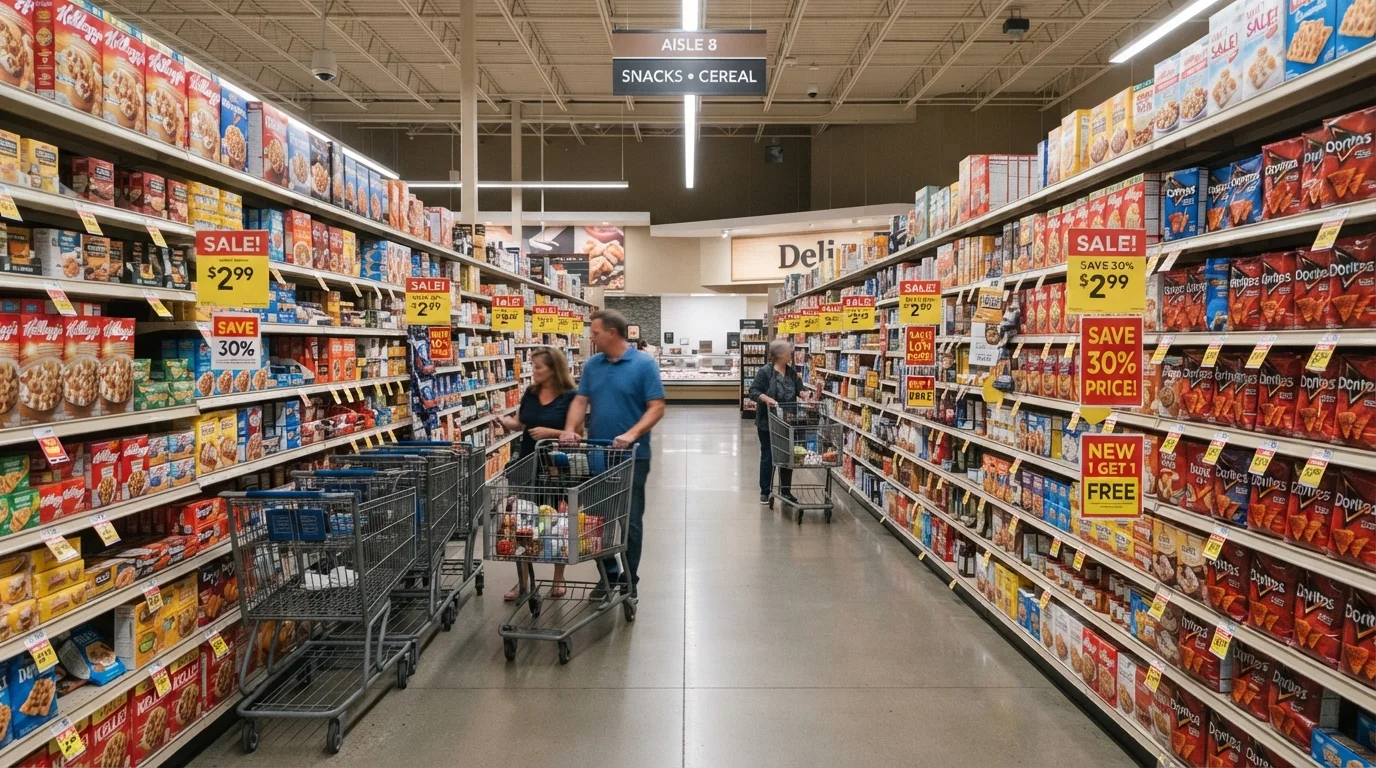
A retailer that prices an item below what it paid for that item isn't making an error — it's making a calculated bet. The logic is straightforward: get shoppers inside the store, and the average shopping trip will generate enough profit from everything else in the cart to cover the per-unit loss and then some.
This strategy has been a fixture of mainstream retail for decades. Grocery chains, big-box stores, and electronics retailers have all used it. The item sold at a loss is simply the hook; the store's financial interest lies in the entire basket.
Understanding this helps reframe what a "sale" actually means. As covered in retail pricing myths many shoppers still believe, not every advertised discount signals genuine savings — some are structural pricing tools dressed up as consumer benefits.
~$30–$40M
Estimated annual loss on rotisserie chicken at one major retailer
Industry analyses have estimated that some large-format retailers accept tens of millions in annual losses on rotisserie chicken sales, treating it as a traffic-driving investment rather than a profit center.
4–7x
Margin difference between staples and specialty items
Retail margin research generally shows that commodity staples carry razor-thin margins while specialty, branded, and convenience items can carry margins several times higher — making basket composition critical to store profitability.
Where the Real Profit Hides
Once a shopper is in the store for the discounted item, the retailer's job shifts to ensuring that trip includes higher-margin purchases. Several mechanisms work in tandem to achieve this.
Product placement near loss leaders. Low-priced anchor items are often situated near complementary, full-margin products. A discounted whole chicken placed near premium sauces and sides is not coincidental — it's a deliberate adjacency strategy.
Store layout design. Loss leaders are frequently placed deep inside the store or at the perimeter, requiring shoppers to walk past other product categories to reach them. This is explored in depth in how store layout is engineered to guide spending.
Eye-level shelf positioning. Higher-margin alternatives are placed where shoppers naturally look. Shelf placement and the eye-level rule explains why the product your hand reaches for first is rarely the cheapest option on the shelf.
How to Shop Strategically Around This Tactic
Knowing a loss leader exists doesn't mean you should avoid it. The discounted price is genuine — you will pay less for that item. The question is whether the surrounding shopping environment pulls you into purchases you didn't plan.
A few practical approaches help maintain control:
- Shop with a list. Decide what you need before entering the store. Loss leader environments are engineered for browsing and impulse decisions; a list keeps the trip anchored to intent.
- Price-check adjacent items independently. The products placed near a loss leader are often full-price or even premium-priced. Knowing a baseline price for those items lets you assess whether the surrounding deals are competitive or just conveniently placed.
- Separate the deal from the store's broader goals. Taking a loss leader at face value — getting the discounted item and leaving — is a completely rational consumer decision. The retailer calculated a loss on that item; you don't owe them a full basket.
For a broader view of how retailers shape the in-store experience, understanding how retailers use store layout to influence spending provides useful context. And loyalty programs follow a similar logic — structured as a benefit to consumers while generating measurable data and behavioral insights for the retailer.
Make the Loss Leader Work for You
If a genuinely discounted staple is something you use regularly, buying it is a straightforward win. The key is treating the surrounding store environment as engineered territory rather than a neutral shopping space. Decide before you enter what else — if anything — you intend to buy, and stick to that list.
This article is for general informational purposes only and does not constitute financial, legal, or professional retail advice.
Frequently Asked Questions
Yes — the discounted price on a loss leader is real and you pay less for that specific item. The caution is that the surrounding purchasing environment is designed to encourage additional, often unplanned spending. If you buy only the loss leader and leave, you come out ahead on that item.
Everyday staples with predictable demand work best — think eggs, milk, bread, rotisserie chicken, and printer paper. These items are recognizable enough that shoppers register the low price immediately, which is exactly why retailers choose them.
Generally yes at the federal level, though a small number of states have below-cost selling or minimum markup laws that restrict the practice in certain categories. Predatory pricing aimed at eliminating competition is a separate legal concern handled under antitrust law.
They rely on shoppers purchasing higher-margin items during the same trip. The average basket size — not the sale item — is where profitability is recouped. End-cap displays, product placement, and bundled promotions near the loss leader all serve this recovery function.
Stick to a list before entering the store. Buy the discounted item if you genuinely need it, but treat the surrounding displays as what they are — deliberate nudges. Price-checking high-margin adjacent items against other stores can reveal whether those surrounding products are actually competitive.
The content on this site is for informational purposes only and is not a substitute for professional advice. Always consult a qualified professional for guidance specific to your situation.