

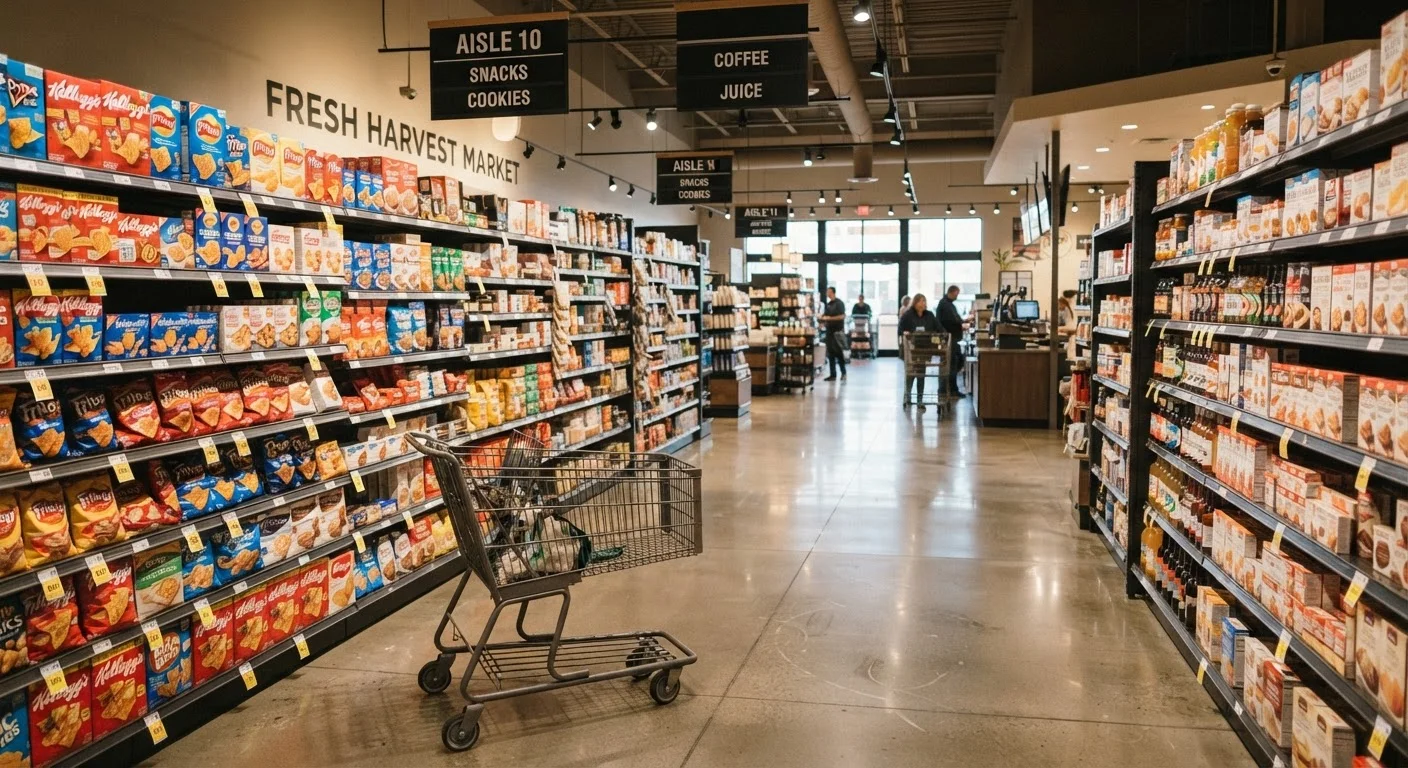
The Store as a Designed System
When you walk into a retail store, you're entering a system that has been carefully engineered. The path you're likely to take, the items you'll pass, and even the smell and sound around you have been considered by designers and merchandising teams. None of it is arbitrary.
Retailers study traffic flow, purchase data, and behavioral research to optimize every square foot of selling space. The goal isn't just to stock products — it's to create conditions where shoppers are likely to spend more than they planned. Understanding this system doesn't make you immune to it, but it gives you a clearer picture of the environment you're navigating.
For a broader look at how retail systems are designed to shape spending, see how store layout is built to guide spending.
~70%
Purchase decisions made inside the store
Research from the Point of Purchase Advertising International organization has long estimated that a majority of purchase decisions are made at the point of sale rather than before entering the store.
Up to 30%
Sales lift from eye-level product placement
Industry studies on shelf positioning have found that moving a product from a lower shelf to eye level can meaningfully increase unit sales, with some studies estimating increases in the range of 20–30%.
Key Tactics Retailers Use
Product Placement by Profit Margin
Eye-level shelves are the most valuable real estate in any store. Products placed there get significantly more attention than those on lower or higher shelves. Retailers — and the brands who supply them — know this, which is why higher-margin items tend to cluster at eye level while store-brand and lower-priced alternatives are often placed lower. Shelf placement follows a clear commercial logic that shoppers rarely think about in the moment.
The Long Walk to Essentials
In most grocery stores, staples like dairy, bread, and eggs are positioned far from the entrance. This layout forces shoppers through more of the store, increasing exposure to higher-margin products along the way. It's a simple and effective strategy: the more ground you cover, the more opportunities the store has to capture unplanned purchases.
Sensory Environment Design
Slower background music, warmer lighting temperatures, and pleasant ambient scents are used in retail settings to encourage a relaxed, unhurried shopping pace. Studies in consumer behavior have consistently found that slower pace correlates with more time in-store — and more time generally means more spending. These aren't accidental aesthetic choices.
End Caps and Feature Displays
The displays at the end of each aisle — called end caps — command premium placement fees from product suppliers. Shoppers tend to assume that featured or prominently displayed products represent good value. That assumption is worth questioning. Prominent placement signals a commercial relationship, not necessarily a better price. Always check the unit price before reaching for a display item.
Retailers also use loss leader pricing on specific items to draw shoppers in, then structure the surrounding layout to encourage additional purchases. Understanding loss leader strategy helps explain why certain low-priced items sit next to higher-margin companions.
Shopping Deliberately in a Designed Environment
Recognizing these tactics is the foundation of more intentional shopping. The goal isn't to distrust every display or second-guess every aisle — it's to slow down your decision-making enough to distinguish between a purchase you planned and one the store engineered for you.
Shop With a List and a Ceiling
Before entering any store, write down what you actually need and set a rough spending limit. These two steps interrupt the environmental cues stores use most effectively — aimless browsing and open-ended budgets. You don't need to be rigid, but having an anchor makes it easier to notice when you're drifting from your plan.
A few durable habits help here: entering a store with a specific list, setting a spending ceiling before you walk in, and pausing briefly before adding anything unplanned to your cart. These aren't frugality tricks — they're decision-making tools that put you back in control of the environment.
For a more complete framework, value-focused shopping strategies covers how to evaluate what you're buying and why — from unit pricing to seasonal patterns to store design awareness. Retailers also collect behavioral data that informs how stores are stocked and laid out; what retailers know before you walk in explains that layer of the system as well.
Frequently Asked Questions
Retailers position high-demand staples toward the back to ensure shoppers pass through more of the store before reaching them. This exposure increases the chance of encountering and purchasing additional items along the way. It's one of the most widely studied tactics in retail design.
Research in environmental psychology suggests that lighting temperature and intensity can influence mood and pace. Warmer, dimmer lighting tends to slow shoppers down and create a more comfortable browsing atmosphere, which can correlate with longer time in-store and additional purchases.
The Gruen transfer describes the mental state shoppers enter when an environment is so stimulating and disorienting that they lose their original purchase intent and start browsing impulsively. It's named after architect Victor Gruen, who designed early American shopping malls.
Not necessarily. End-cap displays — the products featured at the end of store aisles — receive premium shelf placement because they catch attention, but this doesn't mean the items are discounted or represent better value. Always compare unit prices before assuming a prominent display means a better deal.
Bringing a specific list, setting a budget before entering, and avoiding shopping when hungry or rushed are proven ways to reduce unplanned spending. Awareness of layout tactics also helps — knowing why you're drawn to a display gives you the option to pause and evaluate intentionally.
Yes, many of the same principles apply digitally. Homepage placement, product recommendations, bundled suggestions, and prominent visual treatment of certain items mirror physical store tactics. The underlying goal — increasing basket size and time on site — is the same.
The content on this site is for informational purposes only and is not a substitute for professional advice. Always consult a qualified professional for guidance specific to your situation.