

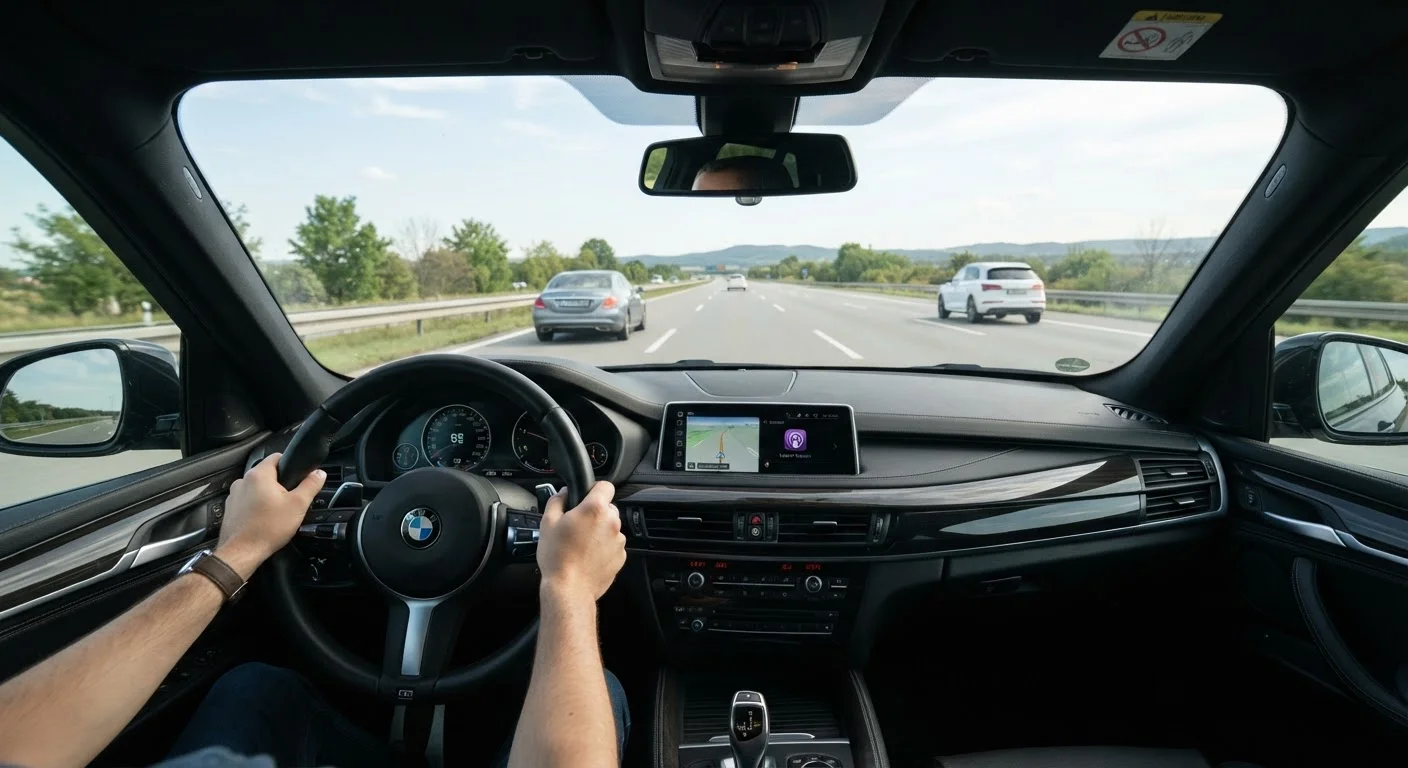
Why Habits Matter More Than Skill Alone
Most drivers rate themselves as above average — a statistical impossibility. The gap between how confidently we drive and how safely we drive usually comes down to habits: the small, repeated decisions that add up over thousands of miles. Research from the National Highway Traffic Safety Administration (NHTSA) consistently points to driver behavior — not vehicle failure or road conditions alone — as the primary contributing factor in the majority of serious crashes.
The good news is that habits can be built deliberately. The practices below aren't reserved for professional drivers or defensive driving instructors. They're practical adjustments that any driver can adopt starting today. For a broader foundation, see our guide to defensive driving — the philosophy behind many of these habits.
Core Habits That Reduce Risk Every Time You Drive
These practices address the situations where crashes are most likely to occur. Each one is grounded in traffic safety research and widely recommended by driver safety authorities.
Maintain at least a three-second following distance from the vehicle ahead.
Tailgating is a leading cause of rear-end collisions, which account for a large share of all U.S. crashes. A three-second gap gives you enough time to perceive a hazard and bring your vehicle to a stop under typical conditions — more in wet or icy weather.
Scan well ahead of your vehicle, not just the car directly in front of you.
Looking 10–15 seconds ahead on highways — or roughly a block ahead in city traffic — gives you more time to identify hazards and respond gradually rather than reactively. This habit also smooths out braking and reduces driver fatigue.
Put your phone out of reach before you start the engine.
Distracted driving — including hand-held and hands-free phone use — degrades reaction time significantly. At 55 mph, five seconds of distraction means your vehicle travels the length of a football field without your full attention on the road.
Signal every lane change and turn — earlier than feels necessary.
Turn signals communicate your intentions to other drivers, cyclists, and pedestrians. Signaling early (at least 100 feet before a turn in most states) gives everyone around you time to adjust. Failing to signal is a legal infraction in every U.S. state.
Adjust your speed to match road and weather conditions, not just the posted limit.
Speed limits reflect conditions on a typical dry day in normal visibility. Rain, snow, fog, heavy traffic, or road construction all reduce the margin of safety at those speeds. Driving within the posted limit does not guarantee that speed is appropriate.
Check all mirrors and blind spots before changing lanes or merging.
Mirrors show you a partial picture — blind spots on either side of the vehicle are not captured. A quick shoulder check before any lateral movement catches cyclists, motorcyclists, and vehicles in your blind zone.
For a closer look at the maneuvers that cause a disproportionate share of crashes, our article on merging, yielding, and lane changes walks through what the rules actually require.
Adapting Your Approach to Conditions
Safe driving isn't a fixed formula — it shifts with the environment. The same speed that's comfortable on a dry highway becomes hazardous in rain, fog, or after dark. Adjusting your technique for conditions isn't timid; it's exactly what experienced drivers do.
~38%
Crash fatalities involving speeding
According to NHTSA data, speeding is a contributing factor in roughly 38% of all motor vehicle traffic fatalities in the U.S. each year.
3x
Increased crash risk in wet conditions
Traffic safety research indicates that wet road surfaces can roughly triple the stopping distance required compared to dry pavement at the same speed.
When visibility drops or roads become slick, increase your following distance beyond the standard three seconds, reduce speed below the posted limit if conditions warrant, and use low-beam headlights in fog (high beams reflect off moisture and reduce visibility further). Our articles on driving in bad weather and night driving cover these adjustments in detail.
Your vehicle's condition matters just as much. Worn tires, dim headlights, and low fluid levels all affect how your car responds when you need it most. A quick pre-trip check takes less than two minutes — see our pre-trip safety checklist for what to look for.
Tire Condition Affects Everything
Tires are the only part of your vehicle actually touching the road, so their condition directly affects your ability to steer, stop, and handle adverse conditions. Check pressure monthly and inspect tread regularly. Our articles on tire pressure and reading tread wear explain what to look for.
Sharing the Road With Others
Safer driving isn't only about protecting yourself — it's about reducing risk for everyone around you. Pedestrians, cyclists, and motorcyclists are far more vulnerable than occupants of a passenger car. Giving them extra space, making eye contact at crosswalks, and checking blind spots before lane changes are habits that matter most in traffic-dense environments.
Understanding right-of-way rules accurately — not just roughly — also prevents a surprising number of avoidable conflicts. Our guides on right-of-way at intersections and sharing the road with vulnerable users are worth reviewing if it's been a while since you thought carefully about those rules.
“The goal of driver education isn't to produce drivers who can pass a test — it's to produce drivers who have internalized the judgment to recognize hazards before they become emergencies.”
— Traffic Safety Education Foundation, Driver safety and education advocacy organization
The content on this site is for informational purposes only and is not a substitute for professional advice. Always consult a qualified professional for guidance specific to your situation.